
Table of ContentsShow ChaptersHide Chapters
- Everything you need to know about reducing joint inflammation and improving mobility.
Medical Disclaimer
This article is for informational purposes only and does not constitute medical advice. Always consult with a qualified healthcare professional before starting any new supplement regimen.
Read our Medical / Expert Review Policy and Medical Disclaimer for details.
Joint pain is one of the most common reasons adults seek health information — and one of the most exploited. Walk into any pharmacy or scroll any social feed and you'll find shelves of pills, powders, and creams promising to "rebuild cartilage" or "erase arthritis pain naturally." Most of those promises are marketing, not medicine.
This guide takes a different approach. We start with what has the strongest evidence (spoiler: it's not a supplement), then review joint-pain supplements honestly — including the ones the research says probably don't work. No miracle cures. No brand recommendations. Just what the science actually shows.
Understanding Joint Pain: What's Actually Happening in Your Joints
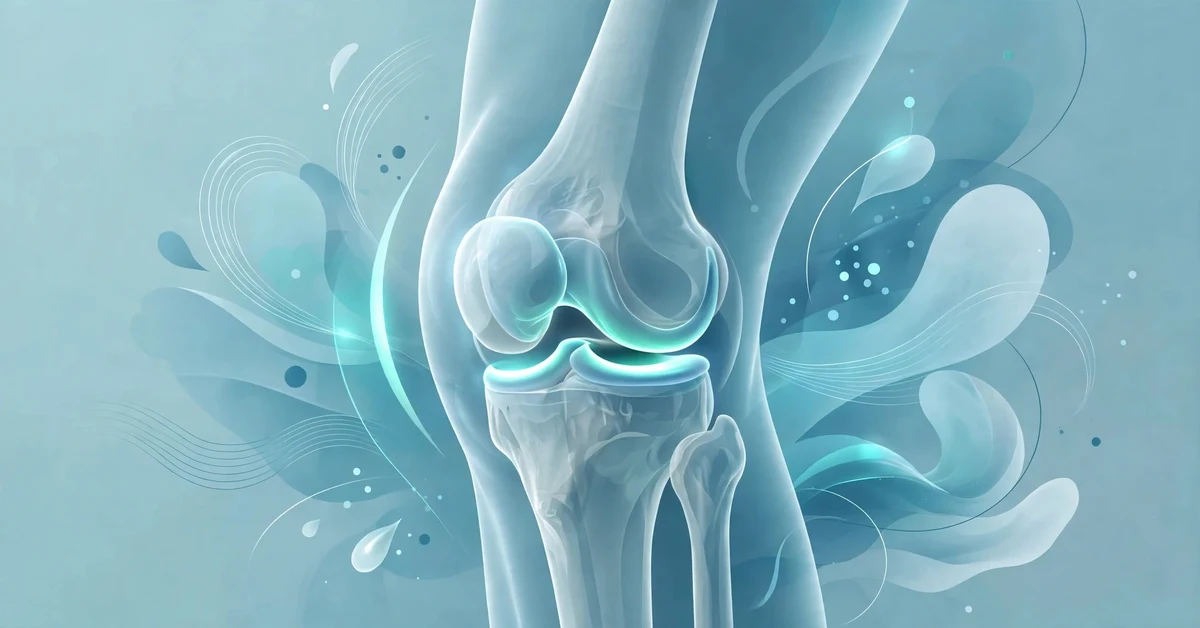
The most common cause of persistent joint pain in adults is osteoarthritis (OA) — the gradual breakdown of cartilage, the smooth tissue cushioning the ends of bones, accompanied by changes in the underlying bone and low-grade inflammation. It most often affects the knees, hips, hands, and spine, and risk rises with age, excess body weight, previous joint injury, and family history.
Other causes matter too: rheumatoid arthritis (an autoimmune condition), gout, bursitis, tendinitis, and injuries. These can require very different treatment — which is why persistent, severe, or unusual joint pain deserves a proper medical evaluation rather than a supplement trial. We'll cover the warning signs later in this guide.
Here's the single most important thing to understand before spending money on any joint product: for osteoarthritis, the interventions with the strongest evidence are not supplements at all. Keep that in mind as we go through everything below.
Start With What Works Best: Movement, Weight, and Physical Therapy

Clinical practice guidelines from the American College of Rheumatology strongly recommend aerobic exercise, strength training, weight loss (for those who are overweight), and tai chi for osteoarthritis of the knee, hip, or hand, according to the National Center for Complementary and Integrative Health's review of the evidence. These recommendations exist because the trial data behind them is far more convincing than the data behind any supplement.
Why does this work?
Exercise strengthens the muscles around joints, improving stability and reducing the load on damaged cartilage. Both aerobic activity (walking, cycling, swimming) and resistance training help; low-impact options are easiest on sore joints.
Weight loss reduces mechanical stress. Every kilogram of body weight lost unloads roughly four kilograms of pressure from the knee with each step — a mechanical benefit no pill can replicate.
Physical therapy teaches joint-protecting movement patterns, builds targeted strength, and can include manual therapy and supervised exercise programs tailored to your specific joints.
Tai chi combines gentle movement, balance training, and strength — particularly well-studied for knee osteoarthritis.
Be honest with yourself about sequencing: if you haven't yet built a sustainable movement routine or addressed excess weight, those steps will almost certainly do more for your joints than any supplement on this list. Supplements are, at best, a possible small addition — never the foundation.
Joint Supplements, Reviewed Honestly
Now the part most guides get wrong. Below is what the research actually shows for the most popular joint-pain supplements, graded honestly — including the uncomfortable findings.
Glucosamine and Chondroitin: The Most Hyped, the Most Disappointing
Glucosamine and chondroitin are structural components of cartilage, so the theory sounds appealing: supply the building blocks, help the joint. Unfortunately, large, well-designed trials have largely failed to deliver.
A 2018 combined analysis of 29 studies (6,120 participants with knee osteoarthritis) found that glucosamine or chondroitin taken separately were associated with reduced pain scores — but the combination of the two was not, and individual study results were inconsistent, with some showing benefit and others none.
A 2014 analysis of 25 glucosamine trials found that the more favorable results came mostly from studies of a prescription-grade formulation — studies that were older, had a high risk of bias, and were largely funded by the manufacturer.
The 2019 American College of Rheumatology/Arthritis Foundation guideline strongly recommends against glucosamine, alone or combined with chondroitin, for knee osteoarthritis, stating that the best data show no important benefits. The Osteoarthritis Research Society International reached the same conclusion.
A 2021 American Academy of Orthopaedic Surgeons guideline was slightly more permissive, listing glucosamine and chondroitin among supplements that may help mild-to-moderate knee OA — while cautioning that the evidence is inconsistent.
Our take: after decades of research and millions of dollars in trials, the best available evidence says these supplements provide little to no meaningful benefit for most people. If you've taken them for months with no improvement, the research suggests you're unlikely to be missing out by stopping — but discuss any change with your clinician or pharmacist first.
Safety note (updated October 2026): A June 2026 study in the journal Nature Metabolism, by researchers at the University of Florida, raised a new concern. They examined health records of about 24,000 people with dementia and 41,000 people with mild cognitive impairment (MCI, an early stage of memory loss). People with MCI who took glucosamine were about 25 percent more likely to progress to full dementia over five years, and people with dementia who took it had about 25 percent higher risk of death. In mice with Alzheimer's-like symptoms, glucosamine made memory loss worse, while healthy mice were unaffected. These findings come from health records and animal research, so they show an association, not proof that glucosamine causes harm, and the risk seems concentrated in people whose brain health is already declining. If you have memory concerns, mild cognitive impairment, or a family history of Alzheimer's, discuss glucosamine with your doctor or pharmacist before taking it. Glucosamine is also still linked to increased bleeding risk with the blood thinner warfarin, and it may raise blood sugar in some people. Tell your healthcare providers about everything you take.
Turmeric and Curcumin: Modest Promise, Real Caveats
Turmeric's active compound, curcumin, has genuine anti-inflammatory and antioxidant properties in laboratory research — and unlike glucosamine, the human trial data for joint pain is cautiously encouraging rather than discouraging.
The National Center for Complementary and Integrative Health reports that several meta-analyses have evaluated oral turmeric or curcumin for knee osteoarthritis — looking at pain, stiffness, joint mobility, and function — and that the initial evidence is positive, though higher-quality trials are still needed for definitive conclusions.
A 2017 review of curcumin's effects on human health concluded it may aid management of inflammatory conditions including arthritis, attributing most benefits to anti-inflammatory and antioxidant effects.
The catch is bioavailability: curcumin is poorly absorbed, rapidly metabolized, and rapidly eliminated. Combining it with piperine (from black pepper) can increase absorption dramatically — around 20-fold by some estimates — which is why many products include it.
Caveats that matter:
Product quality varies enormously; analyses have found that curcumin products often contain far less curcumin than implied, plus other plant substances.
Liver injury has been reported in people using enhanced-bioavailability curcumin formulations. If you develop fatigue, nausea, poor appetite, dark urine, or jaundice while taking turmeric or curcumin products, stop immediately and contact your healthcare provider.
Conventional turmeric/curcumin appears likely safe in recommended amounts for up to 2–3 months, with mainly mild digestive side effects (nausea, reflux, diarrhea).
Turmeric supplements may be unsafe during pregnancy.
Our take: turmeric/curcumin has more genuine promise for OA pain than glucosamine, but the evidence is still preliminary, products are inconsistent, and the liver-injury reports with high-absorption formulas deserve respect. If you try it, choose a product with third-party testing, stick to recommended doses, and loop in your clinician — especially if you take any prescription medicines, since herbs can interact with drugs in harmful ways.
Omega-3 Fatty Acids: A Modest Signal — With a Big Caveat
Omega-3s (EPA and DHA from fish oil) have well-established anti-inflammatory effects in the body, so researchers have tested them for arthritis pain for decades. The results are a case study in why you should look at all the evidence, not just the favorable half.
A 2023 meta-analysis of 9 randomized trials (2,070 osteoarthritis patients) found that omega-3 supplementation modestly reduced arthritis pain and improved joint function compared with placebo.
But the largest and longest trial tells a different story: in a knee-pain ancillary study of the VITAL trial, 1,398 older U.S. adults with chronic knee pain were randomized to vitamin D, marine omega-3s, both, or placebo and followed for an average of 5.3 years. Neither supplement reduced knee pain or improved function or stiffness compared with placebo at any time point.
A separate VITAL ancillary study of nearly 20,000 participants likewise found that 5+ years of vitamin D or omega-3 supplementation did not reduce the prevalence or severity of pain generally.
Our take: small short-term trials suggest a modest benefit; the biggest long-term trial found none. Omega-3s are reasonable as part of an overall anti-inflammatory eating pattern (fatty fish a couple of times a week), but buying expensive fish-oil capsules specifically for joint pain is not well supported by the strongest evidence.
MSM, SAMe, and Undenatured Collagen: Thin or Mixed Evidence
These are popular in joint formulas but rest on much weaker foundations:
MSM (methylsulfonylmethane): a 2011 meta-analysis of 7 high-quality studies (326 patients) did not show significant pain reduction for osteoarthritis. Very little quality research exists.
SAMe (S-adenosylmethionine): a 2009 Cochrane review of 4 trials (656 participants) comparing SAMe with placebo was inconclusive — some trials suggested benefit comparable to NSAIDs, others showed no difference from placebo.
Undenatured type II collagen (UC-II): the most interesting of the three, but the picture is messy. Earlier industry-sponsored trials reported improvements in knee OA symptoms — then a 2025 independent randomized trial (68 patients) found that 12 weeks of combined UC-II and hydrolyzed collagen was no better than placebo for pain, function, or patient satisfaction. The 2025 authors explicitly noted that most previous collagen studies were industry-sponsored, raising bias concerns.
Our take: these are "emerging at best." Don't pay premium prices for collagen or MSM blends based on current evidence.
Vitamin D: Helpful Only If You're Deficient
Vitamin D is essential for bone health, and deficiency causes real bone disease. But there is no good evidence that vitamin D supplements ease joint pain in people with normal vitamin D levels:
The VITAL knee-pain trial above tested vitamin D (2,000 IU/day) directly — no benefit for knee pain, function, or stiffness over 5+ years.
The VITAL-Pain study (nearly 20,000 participants) found vitamin D didn't reduce pain prevalence or severity either.
Getting your vitamin D level checked and correcting a true deficiency is worthwhile for your bones and overall health — talk to your clinician about testing. But taking high-dose vitamin D specifically for achy joints isn't supported by the evidence.
Safety First: Interactions and Quality Problems
Supplements are often marketed as "natural and therefore safe." The evidence says otherwise:
Drug interactions are real. Glucosamine and chondroitin can increase bleeding risk with warfarin. Herbal products broadly can interact harmfully with prescription medicines — always review your full supplement list with your clinician or pharmacist, especially if you take blood thinners, diabetes drugs, or blood pressure medications.
Enhanced-absorption formulas carry their own risks, as the liver-injury reports with bioavailable curcumin show. "More absorbable" is not automatically safer.
What's on the label isn't always what's in the bottle. In a 2024 study, researchers chemically analyzed 44 dietary supplements purchased near U.S. military bases: 82% had inaccurate labels, 61% had listed ingredients that couldn't be detected at all, and 36% contained hidden ingredients not on the label. None carried a third-party certification seal. (This study examined weight-loss products, but it illustrates a market-wide quality problem — joint supplements come from the same loosely regulated system.)
Protect yourself: choose products certified by independent third-party testing organizations (such as USP, NSF, or ConsumerLab), which verify that what's on the label is actually in the bottle and screen for contaminants.
Scam Red Flags: How Joint-Pain Products Lie to You
Our mission is to help you spot fraud before it costs you money or health. Watch for these red flags in joint-pain marketing:
"Rebuilds cartilage" or "regrows joints." No oral supplement has been shown to regrow human cartilage. This is a fantasy claim.
"Clinically proven" with no citations. Real clinical proof names the trial, the journal, and the year. Vague appeals to "studies show" or "doctors recommend" without specifics are empty.
Proprietary blends that hide doses. If a label lists a "Joint Matrix Blend: 800 mg" without telling you how much of each ingredient it contains, you can't judge safety or efficacy — and neither can your pharmacist.
Miracle timelines ("pain-free in 7 days!") and disease claims ("cures arthritis"). Supplements cannot legally or truthfully claim to cure disease; companies that do are telling you they don't respect the law or the truth.
Fake review sites and testimonials. Many "independent review" sites ranking joint supplements are paid affiliate operations. Before-and-after stories prove nothing — pain fluctuates naturally, and placebo effects are powerful.
Pressure tactics: countdown timers, "only 3 bottles left," or claims that "doctors don't want you to know about this." Legitimate health information doesn't need a sales countdown.
When to See a Doctor: Red-Flag Symptoms
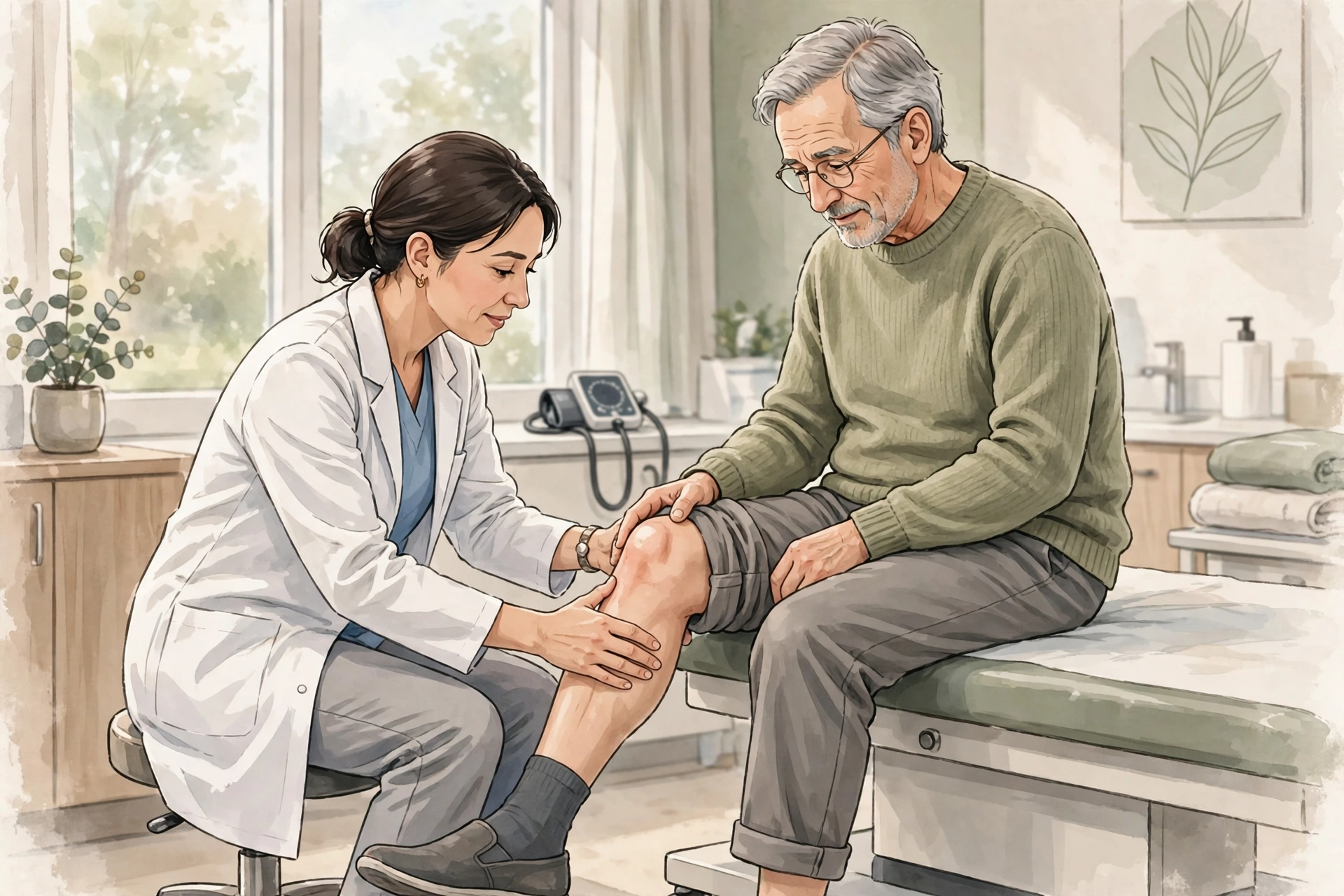
Supplements and self-care have limits. Seek prompt medical evaluation if you experience:
Sudden, severe joint pain or obvious joint deformity
A hot, red, swollen joint — especially with fever (possible joint infection, which is an emergency)
Inability to bear weight or use the joint after an injury
Joint pain with numbness, weakness, or loss of function
Morning stiffness lasting more than an hour, or pain in small joints on both sides symmetrically (possible rheumatoid arthritis, which needs early treatment to prevent joint damage)
Unexplained weight loss, rash, or eye inflammation alongside joint pain
Early diagnosis changes outcomes for inflammatory arthritis — don't let supplement marketing delay care that actually works.
The Bottom Line
Exercise, strength training, weight management, and physical therapy have the strongest evidence for osteoarthritis — stronger than any supplement. Start there.
Glucosamine and chondroitin have been tested extensively; major guidelines recommend against them for knee OA because the best data show no important benefit.
Turmeric/curcumin shows the most genuine promise among joint supplements, with initial positive trial data for knee OA — but evidence is still preliminary, products vary wildly, and high-absorption formulas have been linked to liver injury.
Omega-3s show at best a modest signal in small trials, and the largest long-term trial found no benefit for knee pain.
MSM, SAMe, and collagen rest on thin or mixed evidence — not worth premium prices right now.
Vitamin D won't fix joint pain unless you're deficient; correct deficiency for bone health, not for achy knees.
Check interactions with your clinician or pharmacist, choose third-party certified products, and run from anything promising to rebuild your cartilage.