
Table of ContentsShow ChaptersHide Chapters
Medical Disclaimer
This article is for informational purposes only and does not constitute medical advice. Always consult with a qualified healthcare professional before starting any new supplement regimen.
Read our Medical / Expert Review Policy and Medical Disclaimer for details.
Key takeaways
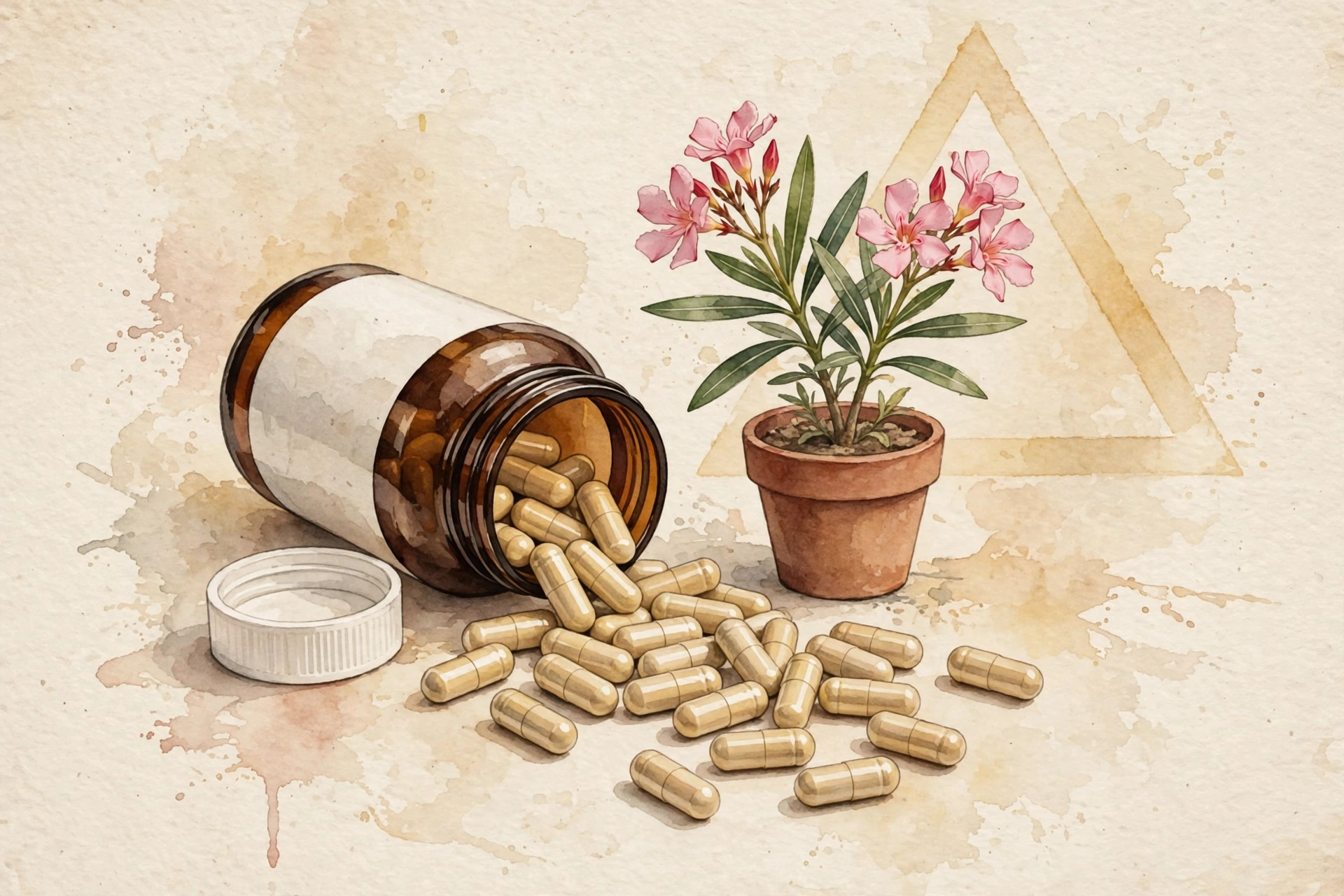
Recalled: On September 21, 2026, Global Mix Inc. announced a voluntary nationwide recall of Niwali Tejocote Capsules and Niwali Tejocote Pieces after FDA laboratory tests found the products contained toxic yellow oleander, not tejocote root as the labels claimed.
Why it matters: Yellow oleander contains cardiac glycosides, natural chemicals that act like the heart drug digoxin. Eating it can cause severe nausea and vomiting, dangerous changes in heart rhythm, and death.
What to do: Check for lot codes RM500925 and RM400925 with expiry 03/03/2028. If you have these products, stop taking them, do not judge by appearance whether your bottle is safe, and return them for a full refund. If you feel ill, call Poison Control at 1-800-222-1222 or contact your doctor.
The pattern: This is the second time. In April 2024, the same company recalled tejocote products sold under four brand names for the exact same yellow oleander substitution.
Contents
What happened
Why yellow oleander is so dangerous
This is the second time
What to do if you bought it
The bigger lesson for supplement shoppers
Sources
What happened
On September 21, 2026, Global Mix Inc. of Middle Village, New York, announced a voluntary nationwide recall of two products: Niwali Tejocote Capsules (90 capsules) and Niwali Tejocote Pieces (a 90-day supply). The recall notice was posted on the FDA website.
The recall began after the FDA collected two product samples on June 19, 2026, and tested them in its own laboratories. The results were alarming. The products labeled as tejocote root, also called Mexican hawthorn (Crataegus mexicana), were actually yellow oleander (Thevetia peruviana), a poisonous ornamental plant with no business being in any supplement.
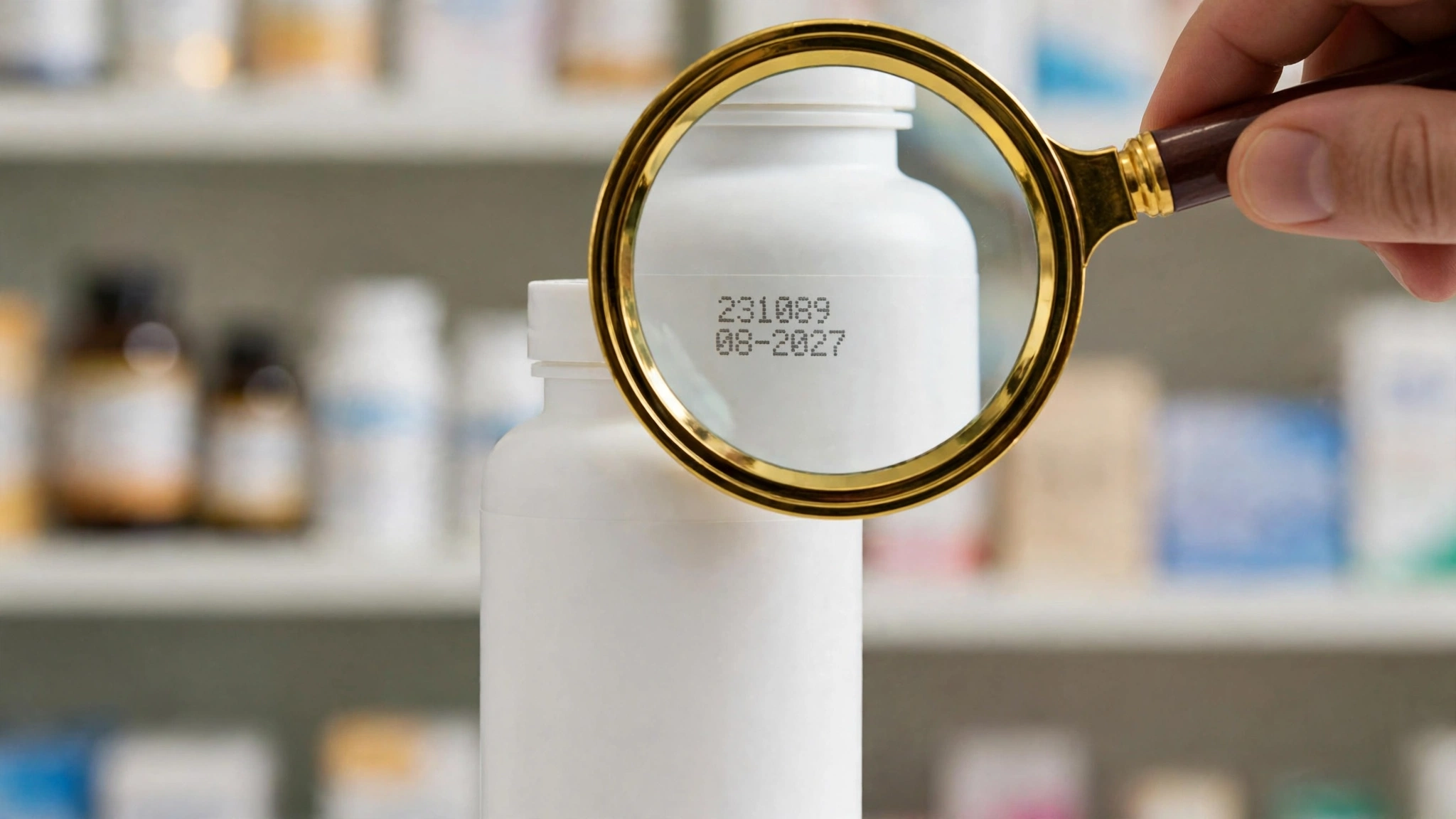
Only five units were sold in total: two bottles of capsules and three packages of pieces, sold through eBay and another online marketplace. The affected lot codes are RM500925 and RM400925, with an expiry date of 03/03/2028.
There is a catch that makes this recall harder than most. The company says it cannot contact every buyer directly, because the online marketplaces that handled the sales do not share buyer contact details with sellers. That means finding those five buyers depends largely on public notices like this one reaching the right people.
No illnesses had been reported to the company at the time the recall was announced, and the company is offering full refunds to buyers.
Why yellow oleander is so dangerous
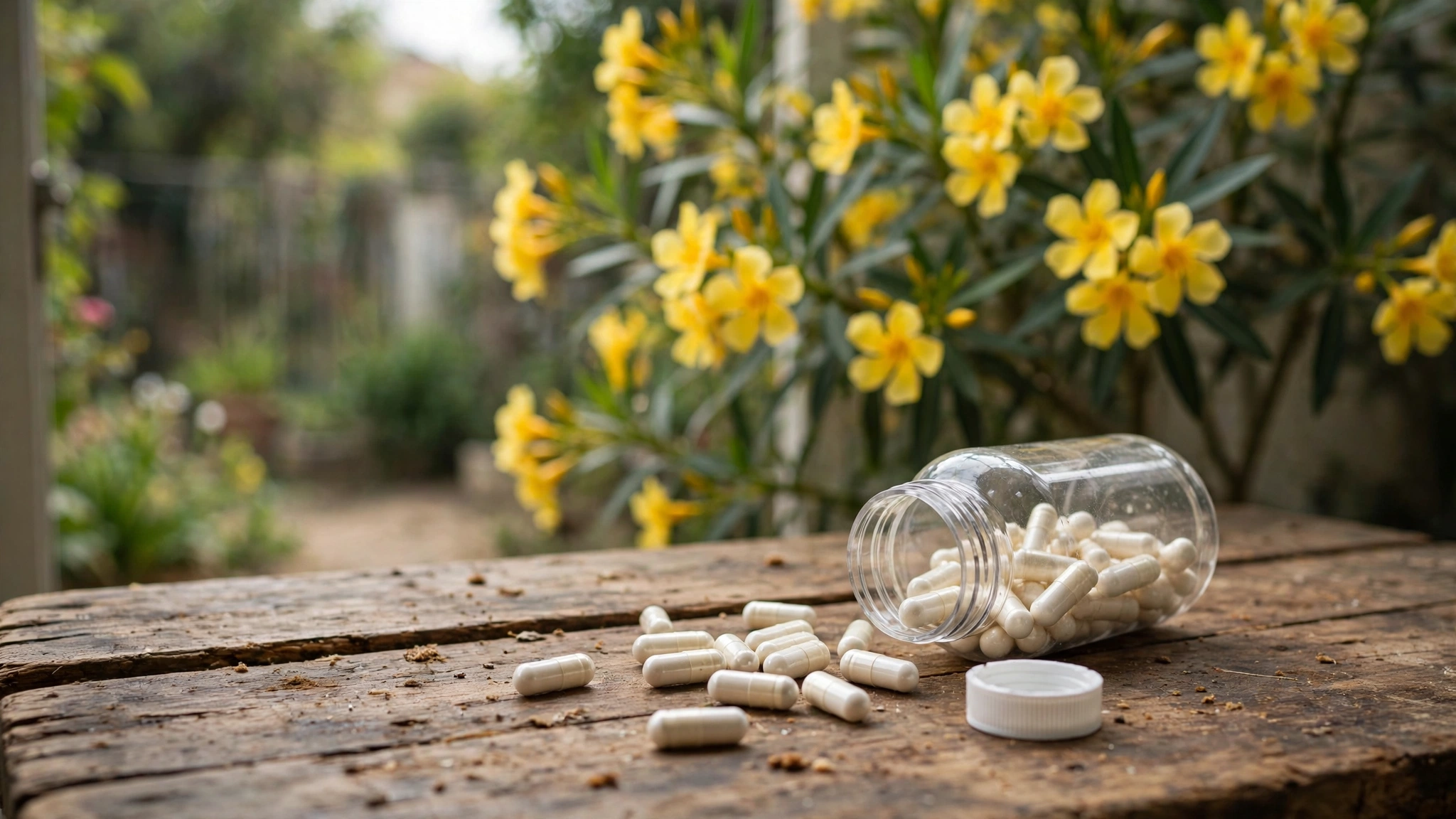
Tejocote root is marketed online as a "natural" weight-loss aid. Yellow oleander is something else entirely. It is an ornamental shrub, and its seeds, leaves, and other parts contain cardiac glycosides.
Cardiac glycosides are natural chemicals that act on the heart much like the prescription drug digoxin, which doctors prescribe in carefully measured doses for certain heart conditions. In a supplement capsule, there is no measured dose, no doctor supervising, and no way for the buyer to know how much of the toxin is inside each pill.
Symptoms of yellow oleander poisoning can include nausea, vomiting, dizziness, diarrhea, and abdominal pain. The most dangerous effects are on the heart itself: changes in heart rhythm (arrhythmia) that can be severe or even fatal.
What it affects | Warning signs | Why it matters |
|---|---|---|
Stomach and gut | Nausea, vomiting, diarrhea, abdominal pain | These are the most common early symptoms of yellow oleander poisoning |
Heart rhythm | Dizziness, irregular or pounding heartbeat | Cardiac glycosides disrupt the heart's electrical signals and the arrhythmia can be fatal |
Heart medicines | Worse control of an existing heart condition | The toxins act like digoxin and can interact badly with heart, blood pressure, and blood thinner medicines that many older adults take |
This is especially concerning for older adults. Many seniors take heart medications, blood pressure drugs, or blood thinners, and an unexpected dose of a digoxin-like chemical can interact badly with those medicines or with an existing heart condition. If you take heart medications and have any concern about a supplement you have tried, talk to your doctor or pharmacist and bring the bottle with you.
The FDA's warning is blunt: do not consume the product. And as the next section shows, this danger was not a one-time accident.
This is the second time
What makes this recall stand out is that it has happened before, with the same company and the same toxin.
In April 2024, Global Mix Inc. recalled tejocote root products sold under four brand names: Niwali, Eva Nutrition, Science of Alpha, and NWL Nutra. FDA testing had found that those products were also yellow oleander, not tejocote.
Recall | Products affected | What the FDA found |
|---|---|---|
April 2024 | Tejocote root products under four brand names: Niwali, Eva Nutrition, Science of Alpha, NWL Nutra | Yellow oleander, not tejocote |
September 2026 | Niwali Tejocote Capsules and Tejocote Pieces, lot codes RM500925 and RM400925, expiry 03/03/2028 | Yellow oleander, not tejocote |
A repeat substitution two years later raises an obvious question: how did the same dangerous mix-up happen again? The recall notice does not publicly explain the cause. For shoppers, the practical takeaway is simpler. A company that has sold a toxic plant as a weight-loss root twice is not a company to trust, under any brand name.
This pattern is worth remembering because the supplement market makes repeats easy. Brand names change and labels change, but the same bulk ingredients can keep flowing through the same supply chains. When a product category has a history like this, that history should weigh heavily in any buying decision.
What to do if you bought it

Check your bottles first. Look for the brand name Niwali, the product names Tejocote Capsules or Tejocote Pieces, the lot codes RM500925 or RM400925, and the expiry date 03/03/2028. Only bottles matching all of these details are part of this recall.
Stop taking it right away. Do not try to judge by look, smell, or taste whether your bottle is really tejocote. The FDA found this substitution through laboratory testing, and there is no home test that can tell the difference.
Return the product for a full refund. The company has offered full refunds through the place of purchase, eBay or another online marketplace. Keep the bottle and lot code visible until the return is complete.
If you feel ill, act fast. Nausea, vomiting, dizziness, or an irregular heartbeat after taking this product needs prompt care. Call Poison Control at 1-800-222-1222 right away or seek medical care promptly, and tell the clinician exactly what you took, including the brand name and lot code.
Even if you feel fine, tell your clinician. Mention the product to your doctor or pharmacist, especially if you take heart, blood pressure, or blood thinning medications. Bring the bottle if you still have it, so the clinician can see exactly what was in it.
Do not pass the bottle on. Do not give it to a friend or family member, and do not throw it in the trash where someone might find it and take it. Return it for the refund, or dispose of it safely where no one else can reach it.
The bigger lesson for supplement shoppers
This recall illustrates three risks that reach far beyond one brand.
First, capsules hide what is inside. With loose root pieces, a buyer might notice something odd. With a sealed capsule of powder, you are trusting the label completely. Laboratory testing is the only way to know the true contents, and shoppers cannot do that at home.
Second, "natural" is not a safety guarantee. Yellow oleander is completely natural, and it can stop a heart. Tejocote root itself has little reliable scientific evidence as a weight-loss aid, which means buyers were risking a toxic plant for a benefit that was never well proven in the first place.
Third, online marketplaces add a layer of risk. When a seller cannot even contact its own buyers during a recall, the safety net has holes. Buying supplements from obscure online sellers, especially products promising weight loss, is one of the riskiest patterns in the market.
Before buying any supplement, especially online, check the FDA's tainted dietary supplements list, which tracks products found to contain hidden drugs or toxic ingredients. And when a product promises dramatic weight loss from a root or herb, treat that promise as a red flag, not a selling point.
Sources
FDA recall notice: Global Mix Inc. recalls Niwali Tejocote Capsules and Niwali Tejocote Pieces because of possible health risk, announced September 21, 2026, posted on https://www.fda.gov.
FDA Tainted Dietary Supplements advisory page, https://www.fda.gov.
National Center for Complementary and Integrative Health (NCCIH), https://www.nccih.nih.gov.
Published case reports on yellow oleander (Thevetia peruviana) cardiac glycoside poisoning, PubMed-indexed medical literature.
Fact-checked by the SupplementDecoded Research Editorial Team