
Table of ContentsShow ChaptersHide Chapters
Medical Disclaimer
This article is for informational purposes only and does not constitute medical advice. Always consult with a qualified healthcare professional before starting any new supplement regimen.
Read our Medical / Expert Review Policy and Medical Disclaimer for details.
Key takeaways: Leader Formulas LLC of Tomball, Texas, voluntarily recalled one lot of RAPTURE Preworkout dietary supplement powder on October 6, 2026, after FDA testing found it contained 1,3-dimethylamylamine (DMAA), a stimulant that was never listed on the label. The recall covers lot 260327-4 in three flavors: Rainbow Twist, Electric Lemonade, and Berry Mojito. The recall follows an FDA consumer warning issued five months earlier, on May 5, 2026, after the agency's lab analysis first detected the hidden DMAA. The FDA says DMAA can raise blood pressure and cause cardiovascular problems, including heart attack, shortness of breath, and chest tightening. If you have this product, stop using it and return it to the place of purchase for a full refund.
Contents
The verdict
RAPTURE Preworkout is not safe to use. The FDA's laboratory testing found a hidden stimulant, DMAA, in the product, and the manufacturer has now recalled the affected lot. This is not a close call or a labeling technicality. The FDA says products marketed as dietary supplements that contain DMAA are illegal, and it advises consumers not to buy or use any product containing it. If you own a tub of RAPTURE Preworkout, check the lot number printed on the container. If it matches the recalled lot, stop using it and get your refund.
What was recalled: lot, flavors, and how to identify it
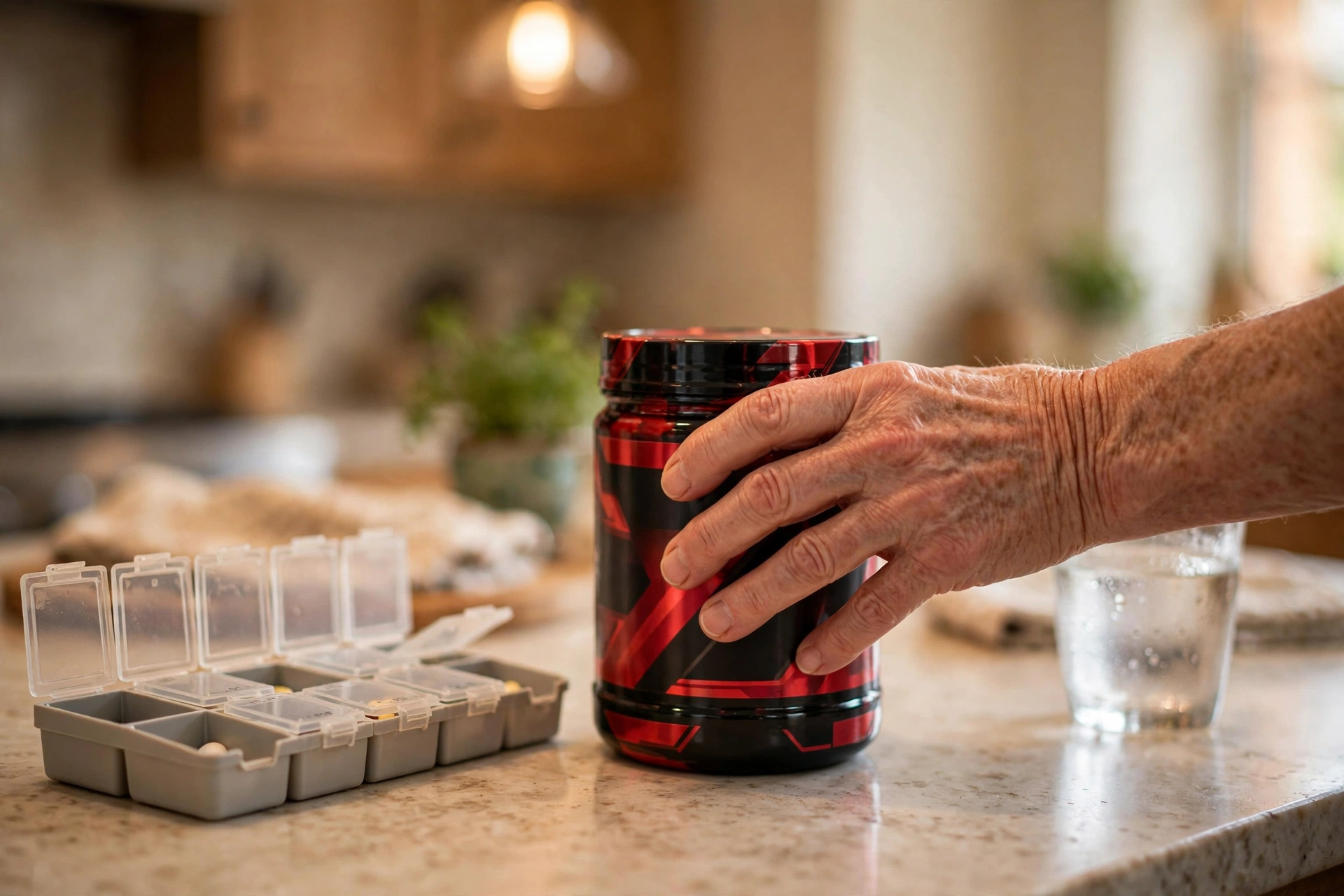
According to the company announcement the FDA posted on October 7, 2026, Leader Formulas LLC of Tomball, Texas, is voluntarily recalling one lot of RAPTURE Pre workout, a dietary supplement powder. The product comes in 450-gram round plastic containers with red and black lettering and a rhinoceros print seal on top of the container. The recalled lot is 260327-4, sold in three flavors with these product codes:
Flavor | UPC |
|---|---|
Rainbow Twist | 710154236506 |
Electric Lemonade | 710143 236513 |
Berry Mojito | 710154236544 |
The recall announcement does not list an expiration date, so the lot number on your container is the identifier that matters. The product was distributed nationwide, both to retail stores and through the company's own website, between January 29, 2025 and May 25, 2026. That is a sales window of nearly sixteen months, which means recalled tubs have had plenty of time to end up in kitchen cabinets and gym bags across the country.
A warning five months before the recall
Here is the part of the story worth understanding, because it shows how the FDA's enforcement process actually works. The recall was not the FDA's first move against this product:
May 5, 2026: the FDA warning. The agency published a consumer notification titled "RAPTURE Preworkout may be harmful due to hidden ingredient." Its laboratory analysis had confirmed that the product contained DMAA not listed on the label. The FDA advised consumers not to purchase or use the product and told anyone who had experienced side effects to consult a health care professional as soon as possible.
October 6, 2026: the company recall. Leader Formulas announced the voluntary nationwide recall of lot 260327-4, with the FDA publishing the announcement the next day. The company said the issue was discovered in the product during testing by the FDA.
Five months passed between the FDA's public warning and the company's recall. That gap matters, because people who bought RAPTURE Preworkout during that window may never have seen the May warning. A warning buried on an FDA page does not pull products off store shelves or out of home cabinets. Only a recall, with lot numbers and refund instructions, gives consumers something actionable. If you bought this product any time since early 2025, do not assume it is fine just because you feel okay. The danger of a hidden stimulant is that it does its work silently, raising blood pressure without any obvious symptom.
What is DMAA, and why the FDA acted against it
DMAA, short for 1,3-dimethylamylamine, is a powerful stimulant. It was once approved as a drug for nasal congestion, but that approval was discontinued, and the FDA states that no medical use of DMAA is recognized today. The agency is blunt about the compound: DMAA is not a dietary ingredient, and products marketed as dietary supplements that contain it are illegal.
DMAA is sometimes sold under friendlier-sounding names. The FDA notes that the supplement industry often refers to DMAA as "geranium extract," presenting it as a natural stimulant. The FDA says it is not aware of any reliable science indicating that DMAA exists naturally in plants. It is a synthetic stimulant with amphetamine-like effects, and calling it "geranium extract" does not change what it is.
The health concern is straightforward. The FDA says DMAA narrows blood vessels and arteries, which can raise blood pressure, and it may lead to cardiovascular problems such as shortness of breath, arrhythmias, tightening in the chest, and heart attack, as well as seizures and other neurological and psychological conditions. The risk climbs when DMAA is combined with other stimulants such as caffeine, which is the standard companion in a preworkout powder. The FDA also states that it has no information demonstrating that consuming DMAA is safe, and it advises consumers not to purchase or use any product containing it.
This did not come out of nowhere. The FDA has been trying to get DMAA products off the market since 2012, when it sent warning letters to manufacturers and ordered them to remove DMAA products or reformulate without it. Fourteen years later, the same stimulant is still turning up in products on store shelves. That history is worth remembering the next time a preworkout promises explosive energy.

Why this matters more after 60
RAPTURE Preworkout is marketed as a bodybuilding energy powder, which sounds like a product for younger gym-goers. But hidden stimulants are a senior health issue for several reasons, and older adults in a household may be exposed even if they never bought the product themselves:
Blood pressure risk hits harder with age. About half of Americans over 60 have high blood pressure or take blood pressure medication. A stimulant that narrows blood vessels and raises blood pressure is dangerous for anyone, but for someone already managing hypertension or heart disease, an undisclosed stimulant can push a controlled condition into a dangerous one. The FDA specifically lists heart attack, arrhythmias, and chest tightening among DMAA's risks.
Caffeine combinations multiply the risk. Preworkout powders almost always contain caffeine alongside their other stimulants, and the FDA warns that DMAA combined with caffeine may increase the health risks. An older adult who drinks coffee and then takes a scoop of a hidden-stimulant preworkout, or who shares a household where a grandchild leaves a tub in the kitchen, can be exposed without any idea of what they consumed.
Prescription interactions go undetected. Stimulants can interact with heart medications, blood pressure drugs, thyroid medications, and antidepressants. A hidden ingredient cannot be discussed with a doctor or pharmacist because nobody knows it is there. The label is supposed to be the contract between the product and the consumer; when it lies, every safety check built on top of it fails.
The honest framing is this: if you are over 60 and you use a preworkout powder for energy or exercise, bring the actual container to your next doctor or pharmacist visit and ask them to review the label with you. And if the label on any energy product lists "geranium extract," treat that as a red flag worth asking about.
How to check your tub
Follow these steps if you have, or think you might have, RAPTURE Preworkout in your home:
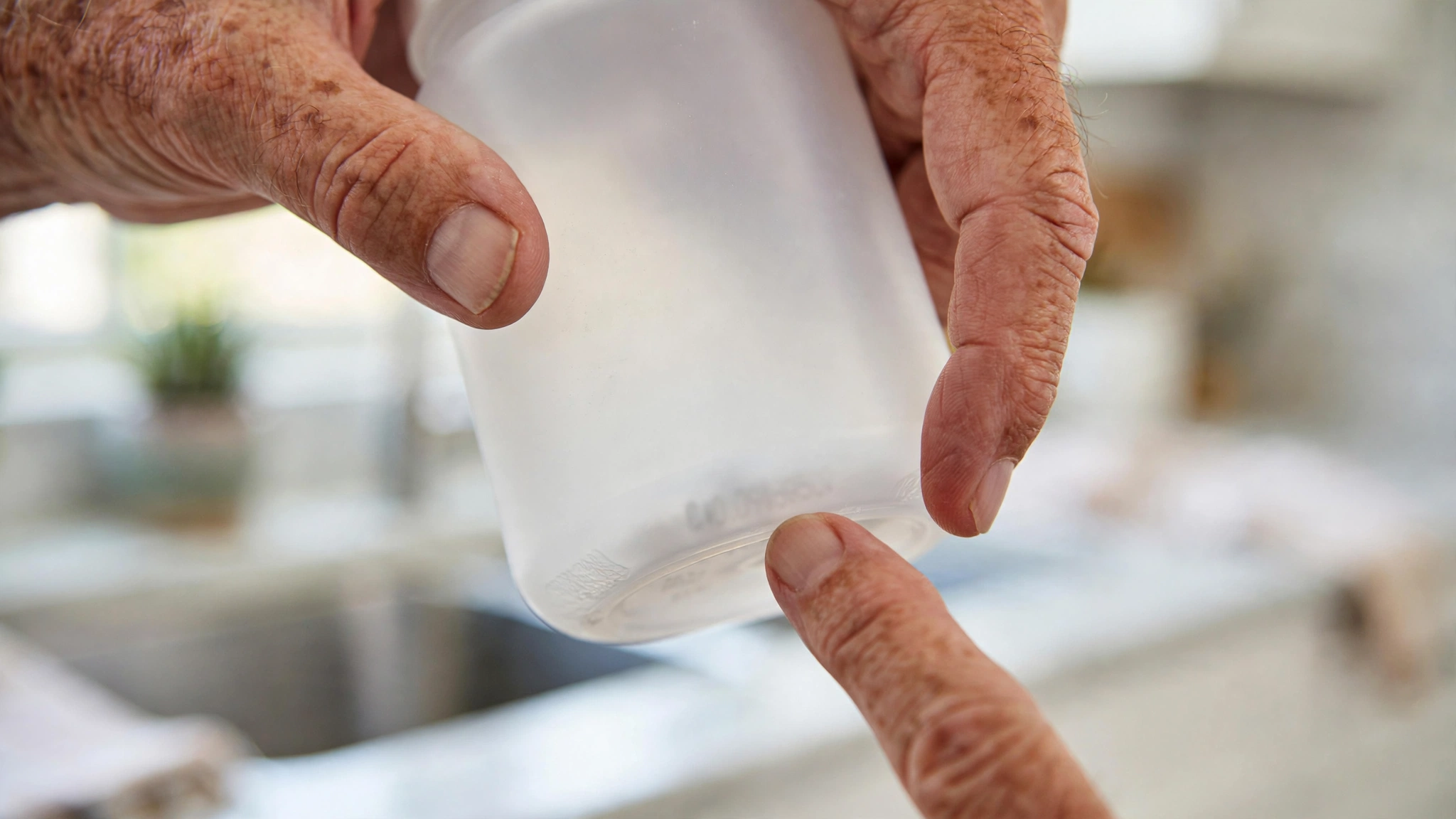
Find the lot number. Turn the tub over or check the side of the container near the bottom. The recalled lot is 260327-4. If your tub shows that lot number, it is part of the recall regardless of which flavor you have.
Match the flavor and product code. The recall covers Rainbow Twist (UPC 710154236506), Electric Lemonade (UPC 710143 236513), and Berry Mojito (UPC 710154236544). The UPC is the barcode number printed on the packaging.
Check the container. Recalled tubs are 450-gram round plastic containers with red and black lettering and a rhinoceros print seal on top. If your container matches this description but you cannot read the lot number, treat it as suspect and contact the company before using it.
Do not rely on how you feel. As of the October 6 announcement, Leader Formulas said it had not received any reports of adverse events tied to the recall. That is good news, but absence of reported problems is not proof of safety. DMAA raises blood pressure and strains the heart whether or not you notice it happening.
What to do if you have the recalled lot
Stop using it immediately. Do not finish the tub. Do not give it to someone else. A product with an undeclared stimulant is not a product you can use "a little bit" of safely.
Return it for a full refund. The recall notice instructs consumers who purchased the recalled products to stop using them and return them to the place of purchase for a full refund. If you bought it online, contact the company directly: Leader Formulas can be reached at 832-855-7562, Monday through Friday, 9 AM to 5 PM Central Time.
Talk to your doctor if you have health concerns. If you have been using RAPTURE Preworkout and you have high blood pressure, heart disease, or take heart or blood pressure medication, mention the product and the DMAA recall at your next appointment, or sooner if you have symptoms such as chest discomfort, shortness of breath, or a racing heartbeat. You can also report problems to the FDA's MedWatch program at https://www.fda.gov/medwatch.
Check the rest of your cabinet. If one product in a brand's line hid an ingredient, it is worth a careful look at the other supplements in your home, especially energy, weight-loss, and workout products. Read labels for anything called "geranium extract" and ask your pharmacist about anything you do not recognize.

A pattern to watch: stimulants that are not on the label
The RAPTURE recall is not an isolated story. Hidden ingredients are one of the most consistent patterns in the supplement market, and the stimulant category is where they show up most often:
Hidden stimulants are a repeat offense. We have covered other products caught with undeclared stimulants this year. Beauty 911 and LUZE Fit were both flagged by the FDA for undeclared sibutramine, a stimulant banned from the market over heart risks. The Lipofit Extreme Fat Burner recall involved hidden fluoxetine, an antidepressant, plus toxic DNP. The pattern is the same each time: a product sold as a natural energy or weight-loss aid that contains a drug the label never mentions.
The "natural stimulant" label is often a disguise. The FDA has said plainly that it knows of no reliable science showing DMAA exists naturally in plants, yet the industry has sold it for years as "geranium extract." The same trick works with other ingredients given plant-sounding names. A natural-sounding name on a label is marketing, not chemistry, and it should never be taken as a safety claim.
The takeaway for older adults is simple and worth repeating: energy products are the riskiest corner of the supplement aisle. If a powder, pill, or drink promises energy, focus, or a workout boost, the label deserves extra suspicion, not extra trust. And when the FDA tells the public in May that a product may be harmful, the safest move is to treat that warning as the recall, months before the paperwork catches up.
Sources
FDA, Medication Health Fraud Notifications: "RAPTURE Preworkout may be harmful due to hidden ingredient," dated May 5, 2026. https://www.fda.gov/drugs/medication-health-fraud-notifications/rapture-preworkout-may-be-harmful-due-hidden-ingredient
FDA, Recalls (Health Fraud): Leader Formulas, LLC voluntary nationwide recall of RAPTURE Preworkout due to the presence of 1,3-Dimethylamylamine (DMAA). Company announcement dated October 6, 2026; published by FDA October 7, 2026. https://www.fda.gov/consumers/health-fraud-scams/recalls-health-fraud
FDA, "DMAA in Products Marketed as Dietary Supplements": DMAA is an amphetamine derivative that is not a dietary ingredient; products marketed as dietary supplements containing DMAA are illegal; DMAA narrows blood vessels and can raise blood pressure, leading to cardiovascular problems. https://www.fda.gov/food/information-select-dietary-supplement-ingredients-and-other-substances/dmaa-products-marketed-dietary-supplements
Fact-checked by the SupplementDecoded Research Editorial Team