

Table of ContentsShow ChaptersHide Chapters
Medical Disclaimer
This article is for informational purposes only and does not constitute medical advice. Always consult with a qualified healthcare professional before starting any new supplement regimen.
Read our Medical / Expert Review Policy and Medical Disclaimer for details.
Key takeaways: Zinc is essential for the immune system, wound healing, and your sense of taste, and the daily need is modest: 11 mg for men and 8 mg for women, according to the NIH Office of Dietary Supplements. The safe ceiling is 40 mg a day from all sources combined, yet many zinc products on store shelves contain 50 mg or more per tablet. Chronic excess zinc depletes the body's copper, which can cause anemia and nerve problems (numbness, weakness, and unsteady walking) that mimic vitamin B12 deficiency. The evidence is strongest for correcting true deficiency and for the AREDS2 eye formula, while "immune boosting" claims run ahead of what studies show. If you take antibiotics, water pills, or rheumatoid arthritis drugs, talk to your doctor or pharmacist before adding zinc.
Contents
The verdict
Zinc is one of the few supplements where the honest story is genuinely positive but the marketplace gets the dose wrong. You need only a small daily amount, 11 mg for men and 8 mg for women, and the NIH sets a firm ceiling of 40 mg a day from all sources combined. Yet walk into any pharmacy and you will find zinc tablets of 50 mg, a dose that exceeds the daily ceiling on its own, before counting the zinc in your multivitamin and your diet. For most people over 60, the smart approach is food first, a modest supplement only if your doctor says you are low, and a careful eye on the total. Our position at the Supplement Decoded Team: do not take a 50 mg zinc tablet "for immunity" without a reason, because the mineral that supports your immune system at 11 mg a day can weaken it when taken in large amounts for months. And never buy zinc "nasal sprays" or zinc placed in the nose: Mayo Clinic warns that intranasal zinc has been linked to loss of the sense of smell.
Why zinc matters more after 60
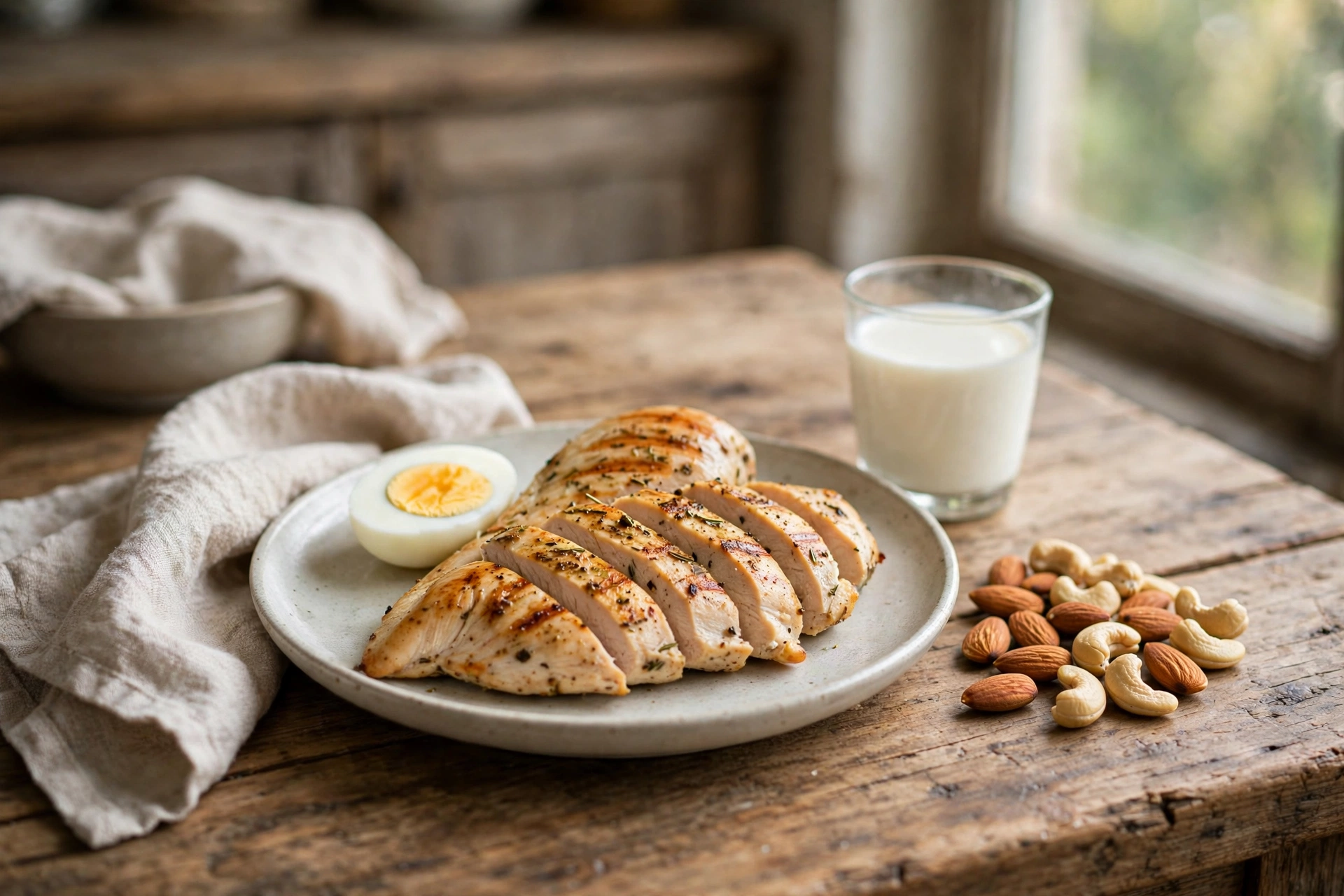
Zinc is found in cells throughout the body and helps the immune system fight off invading bacteria and viruses, builds DNA and proteins, and supports wound healing and a proper sense of taste, according to the NIH Office of Dietary Supplements. As we age, getting enough becomes harder for several reasons. Appetite often shrinks, so smaller meals deliver less of the mineral. Common blood pressure drugs called thiazide diuretics increase the amount of zinc lost in urine. Digestive conditions and some gastrointestinal surgeries reduce absorption. And plant-heavy diets rich in beans and whole grains contain phytates, natural compounds that bind zinc in the gut and reduce how much the body absorbs, which is why the NIH notes that vegetarians and vegans can fall short.
When older adults do run low, the consequences are real and recognizable. The NIH Office of Dietary Supplements states that zinc deficiency can delay wound healing and cause problems with thinking, reasoning, and memory in older adults, while loss of taste and smell can appear at any age. Frequent infections, slow-healing cuts, and food that tastes dull are worth mentioning to your doctor rather than self-treating, since low zinc can look like other conditions. Mayo Clinic adds that oral zinc supplements might genuinely benefit people with low levels of zinc, which is the one population where supplementation has a clear role.
What the research actually shows
Zinc is one of the better-studied minerals, and the evidence is a mix of genuine benefits, modest effects, and overstated marketing claims. Here is what the authoritative sources actually say.
Colds: modest help, only if started early. The NIH Office of Dietary Supplements reports that some studies suggest zinc lozenges or zinc syrup speed recovery from the common cold if you start taking them at the start of a cold, while noting these products do not seem to affect how severe the symptoms are. Mayo Clinic says much the same: taken soon after cold symptoms start, zinc might shorten the length of a cold. What researchers still do not know is the best dose, the best form, or how long to take it, so claims of "cold-crushing" power are overpromises. Zinc has not been shown to prevent colds in the first place.
Age-related macular degeneration: real benefit, in a specific formula. In large studies of older people at high risk of advanced macular degeneration, those who took daily dietary supplements containing 80 mg of zinc plus vitamin E, vitamin C, copper, and either beta-carotene or lutein and zeaxanthin for five years had a lower risk of developing advanced disease than those who did not. This is the AREDS/AREDS2 formula, a prescription-strength eye preparation, not a general zinc supplement, and the 80 mg zinc dose is twice the normal safe ceiling (see the section below on why it is a special case).
Correcting true deficiency: clearly worthwhile. Both the NIH and Mayo Clinic agree that people with low zinc levels can benefit from supplementation, including better wound healing in people with skin ulcers and low zinc. If blood work shows you are low, or your doctor judges your intake is poor, a supplement targeted at that gap makes sense. This is supplementation with a diagnosis, not a guess.
"Immune boosting" beyond deficiency: not proven. Zinc helps your immune system function, but there is no good evidence that extra zinc "supercharges" immunity in people who already have enough. The NIH also notes a telling irony: chronically high zinc intake can produce lower immunity, the opposite of what the immune-boosting products promise. Claims that zinc prevents infections in well-nourished adults run ahead of the research.
The 40 mg ceiling: why more is worse
The tolerable upper limit for zinc is 40 mg a day for adults, and the NIH stresses that this ceiling includes zinc from all sources combined: foods, beverages, supplements, and medications. Consider how easy it is to cross it. A single 50 mg zinc tablet already exceeds the ceiling by itself. Add a multivitamin that contains 15 mg of zinc, and you are at 65 mg. Add zinc cold lozenges during a cold, and you go higher still. The NIH's zinc fact sheet lists the supplement forms commonly sold, zinc sulfate, zinc acetate, and zinc gluconate, and notes that it is not clear whether one form is absorbed better than the others, so do not pay extra for a "superior" form.
Exceeding the ceiling does not just waste money; it produces real harm through a specific mechanism. High zinc intake interferes with copper absorption in the gut, and over months it can drive the body into copper deficiency. The NIH explains that overusing zinc-containing denture creams, well beyond label directions, can lead to excessive zinc intake and copper deficiency causing neurological problems, including loss of coordination and numbness and weakness in the arms, legs, and feet. Mayo Clinic gives the same warning for long-term high-dose oral zinc: copper deficiency with brain and nervous system issues, including numbness and weakness in the arms and legs. A published 2025 case report in the neurology literature describes a 70-year-old woman taking long-term AREDS2 eye formula who developed six months of progressive tingling, unsteady gait, and frequent falls; testing found undetectable copper in her blood with elevated zinc, and after stopping the zinc supplement and receiving copper replacement, her copper levels normalized and she regained independent walking over the following two months. The neurological symptoms of copper deficiency mimic vitamin B12 deficiency, which is why they are easy to misdiagnose, and delays in treatment can leave lasting damage.
The harm goes beyond copper. Short-term excess commonly causes nausea, dizziness, headaches, upset stomach, vomiting, and loss of appetite, per the NIH. Chronically high intake can lower HDL ("good") cholesterol and paradoxically lower immunity, and very high doses can reduce magnesium absorption. None of this means zinc is dangerous at normal doses. It means the gap between the 11 mg a day a man needs and the 50 mg tablet on the shelf is not a safety margin; it is a warning.
Signs you are getting too much zinc
Because excess and deficiency share vague symptoms, a simple comparison helps. If you supplement with zinc and develop any of these, stop the supplement and call your doctor rather than waiting it out.
Sign | More likely too much zinc | What to do |
|---|---|---|
Nausea, stomach upset, or vomiting after your supplement | Yes, especially with doses of 50 mg or more taken on an empty stomach | Take supplements with food and tell your doctor; do not push through persistent nausea |
Tingling, numbness, or weakness in the hands or feet | Yes, can signal zinc-driven copper deficiency over months | Call your doctor promptly; ask about checking copper and zinc levels together |
Unsteady walking, clumsiness, or frequent falls | Yes, neurological symptoms of copper deficiency | Seek medical evaluation; these symptoms have other causes too and should not be self-diagnosed |
Frequent infections or feeling run down despite "immune" supplements | Possibly; chronic excess zinc can paradoxically lower immunity | Review your total zinc intake with your doctor instead of adding more |
Headaches, dizziness, loss of appetite | Yes, listed by the NIH as signs of excess zinc | Stop the supplement and call your doctor if they persist |
Unexplained anemia (low red blood cell count) | Yes, copper deficiency from excess zinc can cause anemia | Needs medical workup; do not assume it is just low iron |
One more source of hidden zinc that the NIH flags specifically: denture adhesive creams. Some contain zinc, and using far more than the label recommends, day after day, has caused the same copper-deficiency nerve damage as high-dose tablets. If you use denture cream, follow the label amount exactly, and mention it to your doctor if you also take a zinc supplement, since the totals add up silently.
Medicines that interact with zinc
Zinc interacts with several medicines common after 60. The guidance below comes from the NIH Office of Dietary Supplements and Mayo Clinic.
Medicine | What happens | What to do |
|---|---|---|
Quinolone antibiotics (such as ciprofloxacin) and tetracycline antibiotics (such as doxycycline) | Zinc can reduce the amount of both the antibiotic and the zinc that the body absorbs, weakening the treatment of an infection | Take the antibiotic at least 2 hours before, or 4 to 6 hours after, taking zinc |
Penicillamine (Cuprimine, Depen), used for rheumatoid arthritis and Wilson disease | Zinc supplements can reduce how much penicillamine the body absorbs, making it less effective | Take zinc and penicillamine at least 1 hour apart |
Thiazide diuretics (water pills such as hydrochlorothiazide) | These blood pressure drugs increase zinc lost in urine; long-term use might lower zinc levels in the body | Tell your doctor you take a thiazide if you supplement with zinc; you may need your levels checked |
Acid-reducing drugs (proton pump inhibitors) | These can reduce stomach acid, which may decrease zinc absorption | Mention them in any supplement review with your doctor or pharmacist |
The practical point: timing matters, but so does simply telling your doctor everything you take. Bring every supplement and medicine to your medication review, and treat zinc like any prescription drug in that conversation. For another common supplement-drug question we cover honestly, see our guide on CoQ10 and statins.
The AREDS2 eye formula: the one exception to the ceiling
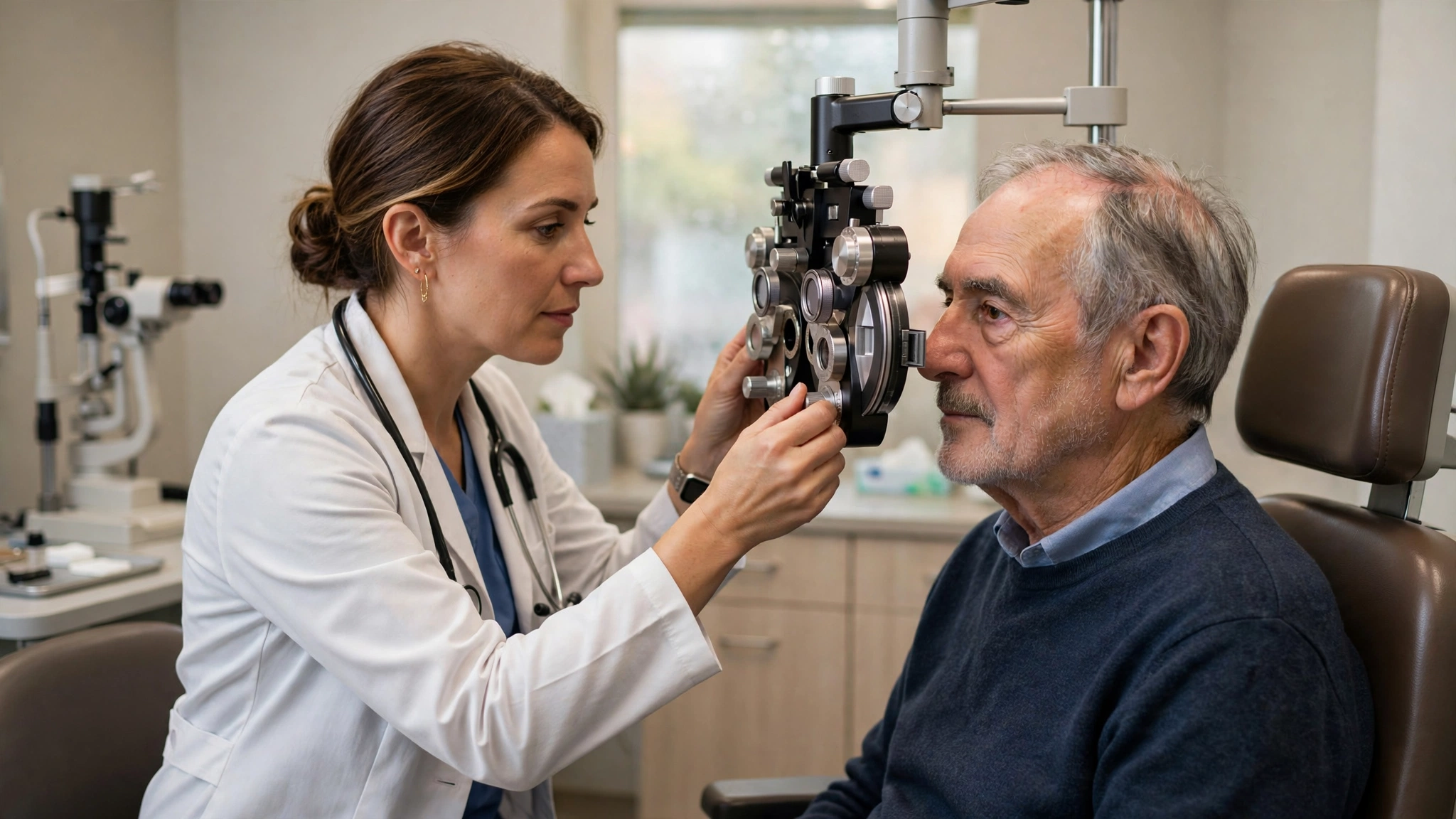
The AREDS2 formula is the single legitimate exception to the 40 mg ceiling, and it is the reason some older adults take 80 mg of zinc a day. The original AREDS trial, run by the National Eye Institute from 1992 to 2001, found that a specific combination (80 mg of zinc as zinc oxide, 500 mg of vitamin C, 400 IU of vitamin E, 15 mg of beta-carotene, and 2 mg of copper as cupric oxide) reduced the risk of progression to advanced macular degeneration in people with intermediate AMD or advanced AMD in one eye. The 2 mg of copper was added deliberately to prevent the copper deficiency anemia that high zinc intake causes. AREDS2 later replaced beta-carotene with lutein (10 mg) and zeaxanthin (2 mg), keeping the 80 mg zinc dose.
Three things matter about this exception. First, it is for a specific eye diagnosis, confirmed by an eye doctor, not for general eye health or "immune support." Second, it is a medical-level dose taken under supervision, which is precisely why it bundles copper with the zinc. Third, even under supervision, problems can occur: the 2025 case report of the 70-year-old woman with copper-deficiency nerve damage involved an AREDS2 formula taken long term, a reminder that the ceiling was not suspended, only deliberately managed. If you have macular degeneration, ask your ophthalmologist whether the AREDS2 formula fits your stage of disease. Do not buy a 50 mg zinc tablet because you saw the number 80 in an eye study; the context makes all the difference.
Getting zinc from food versus supplements
The federal dietary guidance the NIH points to is straightforward: get most nutrients from food, and use supplements to fill a gap that food cannot close. For zinc, food is genuinely the easier and safer path, because it is nearly impossible to overdose on zinc from food, and foods carry the other minerals (including copper) in balanced proportions.
Oysters are in a league of their own. The NIH notes that oysters contain very high amounts of zinc, far more than any other food. They are a delicacy rather than a daily habit, but a single oyster meal delivers far more zinc than a day's need.
Meat, fish, poultry, and seafood are the reliable workhorses. Beef, pork, crab, and lobster are good sources, and chicken and turkey provide moderate amounts. For most older adults, a serving of meat or fish at lunch or dinner covers the day's need comfortably.
Fortified breakfast cereals do real work. Many cereals are fortified with zinc, and a bowl at breakfast plus a normal lunch can meet the daily requirement for older adults who eat smaller meat portions. Check the nutrition label rather than assuming.
Beans, nuts, whole grains, eggs, and dairy provide some zinc. These are valuable parts of a zinc-sufficient diet, but remember the phytate catch: beans and whole grains also contain phytates that reduce zinc absorption, so people who eat mostly plant foods need to be a little more deliberate, and may be the one group for whom a modest supplement makes sense, with a doctor's okay.
When you do consider a supplement, choose modestly. A product that adds 10 to 15 mg a day will close a genuine gap for most older adults without approaching the 40 mg ceiling. Skip the 50 mg tablets unless your doctor specifically prescribes that dose. And check your multivitamin first: many already contain 15 mg of zinc, so adding a standalone zinc tablet on top can push you over the ceiling without you realizing it. As with calcium, which we cover in our guide to calcium after 60, the total from every source is what counts.
How to take zinc safely after 60
If you and your doctor decide a zinc supplement makes sense, a few habits keep it safe.
Add up your total before you add a tablet. List the zinc in your multivitamin, any standalone zinc product, cold lozenges, and denture cream, then compare the sum to the 40 mg daily ceiling. Most problems come from stacking products, not from any single one. Our supplement dosage guide walks through this kind of total-check for any supplement.
Take it with food unless your doctor says otherwise. Zinc on an empty stomach is a common cause of nausea, especially at higher doses. Taking it with a meal calms the stomach and usually does not reduce its usefulness for closing a deficiency.
Keep high-dose courses short. Zinc lozenges for a cold are meant to be a days-long course, not a daily habit. Months of high-dose use are what drive copper deficiency. If you have been taking a 50 mg tablet daily for months, tell your doctor even if you feel fine.
Ask about copper and zinc testing if you supplement long term. If your doctor prescribes zinc for more than a few months, periodic checks of both copper and zinc levels catch depletion before nerve damage starts. A single zinc level alone can mislead, so ask that both be checked.
Reassess yearly. Needs change with appetite, medications, and diagnoses. What made sense during a period of poor eating may no longer be needed once your diet improves, and every long-term supplement deserves a yearly "do I still need this" conversation with your doctor.
Sources
NIH Office of Dietary Supplements. Zinc: Consumer Fact Sheet. Daily recommended amounts (11 mg for adult men, 8 mg for adult women), the 40 mg upper limit including all sources, food sources, effects on the common cold and age-related macular degeneration, signs of excess zinc, copper deficiency and neurological effects, denture-cream overuse, and drug interactions with antibiotics, penicillamine, and thiazide diuretics.
Mayo Clinic. Zinc (Oral Route) Drug and Supplement Information. Oral zinc may benefit people with low zinc levels and may shorten a cold taken soon after symptoms start; intranasal zinc is linked to loss of the sense of smell; long-term high doses can cause copper deficiency with numbness and weakness in the arms and legs; interactions with antibiotics and penicillamine.
Age-Related Eye Disease Study 2 Research Group. Lutein + Zeaxanthin and Omega-3 Fatty Acids for Age-Related Macular Degeneration: The Age-Related Eye Disease Study 2 (AREDS2) Randomized Clinical Trial. JAMA. 2013;309(19):2005-2015. The AREDS formulation (80 mg zinc as zinc oxide with 2 mg copper as cupric oxide) and the AREDS2 modifications.
Case report. Zinc-associated Copper Deficiency Myelopathy: A Case Report. PubMed PMID 42757636. A 70-year-old woman on long-term AREDS2 supplementation developed progressive tingling, gait instability, and falls with undetectable serum copper; she recovered substantially after stopping the zinc supplement and receiving copper replacement.
Fact-checked by the SupplementDecoded Research Editorial Team