
Table of ContentsShow ChaptersHide Chapters
Medical Disclaimer
This article is for informational purposes only and does not constitute medical advice. Always consult with a qualified healthcare professional before starting any new supplement regimen.
Read our Medical / Expert Review Policy and Medical Disclaimer for details.
Key takeaways: PepsiCo voluntarily recalled 122,021 cases of 28-ounce Gatorade on September 25, 2026, after the FDA found the bottles contain Yellow No. 5 and/or Yellow No. 6 food dyes that are not declared on the labels. The FDA classified it as a Class II recall on October 2, 2026. Only four flavors (Lemon Lime, Lemon Lime Zero, Orange, Orange Zero) are affected, in 15 specific lot codes with best-by dates from April to June 2027. Be honest up front: Gatorade is a sports drink, not a supplement. The dyes themselves are FDA-approved; the problem is that people who must avoid them had no way to know they were there. If you have asthma or an aspirin sensitivity, check your bottles against the lot list below.
Contents
The verdict: check the lot code, not the color
On September 25, 2026, PepsiCo voluntarily recalled 122,021 cases of 28-ounce Gatorade because the bottles contain FD&C Yellow No. 5 and/or Yellow No. 6 that do not appear on the ingredient labels. The FDA logged it as enforcement report H-0009-2027 and classified it Class II on October 2, 2026, meaning the agency sees a chance of temporary or reversible health effects but considers serious harm unlikely.
Here is the honest context you deserve. Gatorade is a sports drink, not a supplement, and we are covering this because undeclared ingredients are exactly the pattern this site exists to expose. The dyes in question are approved food colors, so this is a labeling failure, not a contamination crisis. For most people, this recall is an inconvenience. It matters most for a smaller group: people with dye sensitivities, asthma that flares with tartrazine, or aspirin hypersensitivity, who depend on labels to avoid specific ingredients.
No injuries or reactions tied to these bottles have been publicly reported, and PepsiCo has issued no public press release, according to the FDA enforcement record. If you buy Gatorade, the only step that matters is checking the lot code on the bottle against the list below.
Which Gatorade bottles are recalled
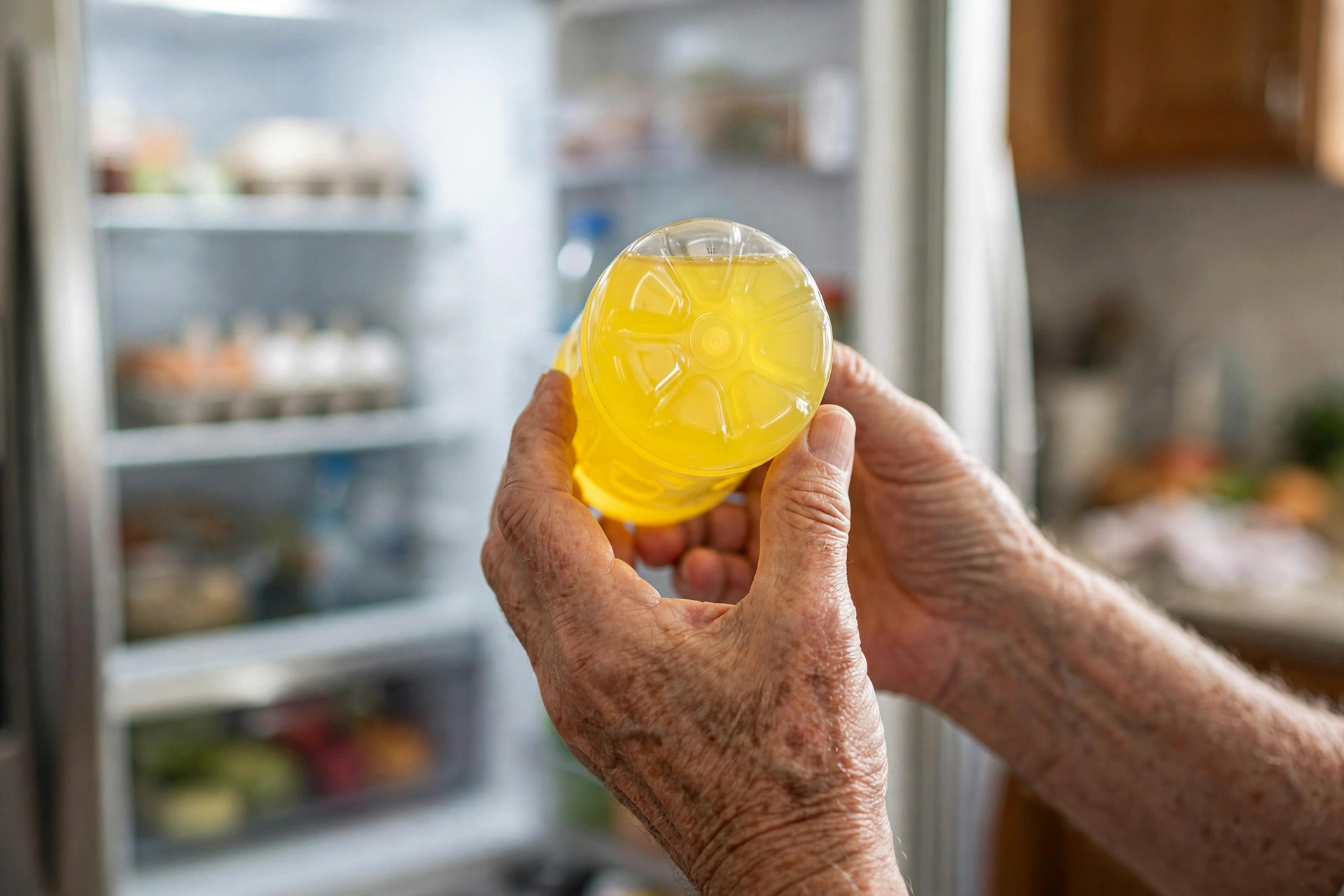
The recall covers only 28-ounce bottles in four flavors: Lemon Lime, Lemon Lime Zero, Orange, and Orange Zero. Other sizes and flavors are not included. The affected bottles shipped to 37 states: AK, AL, AR, AZ, CA, CO, FL, GA, HI, IA, ID, IL, IN, KS, KY, LA, MI, MN, MO, MS, NC, ND, NE, NJ, NM, NV, NY, OH, OK, PA, SC, SD, TN, TX, UT, WA, and WI. The recalling firm is PepsiCo Inc., listed out of Purchase, New York.
Match both the lot code and the best-by date. The FDA enforcement report lists these 15 lot codes:
Lot code | Best-by date |
|---|---|
091026 DL | June 7, 2027 |
091126 DL | June 8, 2027 |
072226 DT | April 18, 2027 |
072426 TL | April 20, 2027 |
073126 TL | April 27, 2027 |
072926 TL | April 25, 2027 |
073026 TL | April 25, 2027 |
081026 TL | May 7, 2027 |
082126 OA | April 18, 2027 |
080126 DL | April 28, 2027 |
082026 DL | May 17, 2027 |
083126 DT | June 7, 2027 |
082526 KM | May 22, 2027 |
090426 KM | June 1, 2027 |
072726 TL | April 23, 2027 |
The lot code is usually printed on the bottle cap or neck. The best-by dates run from April 18, 2027 through June 8, 2027, so these bottles could sit in pantries and garages for many months, which is why it is worth checking even if you bought the bottle weeks ago.
Why undeclared dyes matter, and who should care most
Yellow No. 5 is tartrazine. It is one of the most widely used certified food color additives in the United States, approved by the FDA for foods, drugs, and cosmetics. Federal rules require certified color additives to be declared on product labels precisely so people who react to them can steer clear. When the label skips the dye, that protection disappears.
A small group is genuinely sensitive. The FDA requires drug labels containing Yellow No. 5 to carry a warning that it may cause allergic-type reactions, including bronchial asthma, in certain susceptible people, and notes this sensitivity is seen more often in people who also have aspirin hypersensitivity. The FDA has estimated that fewer than 1 in 10,000 people are sensitive enough to develop hives after ingesting tartrazine, which means most people will never react. But for that small group, an accurate label is the only defense.
Yellow No. 6 is Sunset Yellow FCF. It is also an approved certified color, and the same labeling rule applies: if it is in the product, the label must say so. The FDA flagged both dyes because the labels declared neither. For older adults who manage asthma or take aspirin daily for heart protection, the aspirin-hypersensitivity overlap is the detail worth knowing.
The dyes were not banned, and they are not poison. We say this plainly because fear sells better than facts. Both Yellow No. 5 and Yellow No. 6 remain approved food colors used in countless products you already consume. The violation is about transparency, which is exactly why a site like ours covers it: you cannot make an informed choice about what you swallow if the label does not tell the truth.
What a Class II recall actually means
The FDA sorts recalls into three classes, and the class tells you how the agency judges the danger. This Gatorade recall is Class II, the middle tier. The FDA's definition: use of the product may cause temporary or medically reversible adverse health effects, or the probability of serious health consequences is remote. Here is how the three classes compare:
Class | What it means |
|---|---|
Class I | The most serious. There is a reasonable probability the product will cause serious harm or death. Example: a supplement found to contain a hidden prescription drug. |
Class II | The middle tier. Temporary or reversible health effects are possible, but serious harm is unlikely. This is where the Gatorade recall sits. |
Class III | The least serious. The product is unlikely to cause any adverse health effect. Usually a labeling or packaging violation with no real health risk. |
Class II is not a "safe" stamp, and it is not a panic button. It means the FDA looked at undeclared dyes in a popular beverage, weighed who could be hurt, and concluded that for most people the risk is minimal while sensitive people deserve a real warning. That judgment matches the facts: approved dyes, mislabeled bottles, no reported injuries.
What to do if you have these bottles

Check the lot code first. Look at the cap or neck of any 28-ounce Lemon Lime, Lemon Lime Zero, Orange, or Orange Zero bottle in your home. If the lot code and best-by date match one of the 15 rows above, treat the bottle as recalled. If they do not match, your bottle is not part of this recall.
If it matches, do not drink it. Return the bottle to the store where you bought it. If you already drank from a matching bottle and feel fine, there is no reason to panic, but mention it to your doctor at your next visit, especially if you have asthma or an aspirin sensitivity.
Know the symptoms worth a call. Allergic-type reactions can include hives, itching, or wheezing and trouble breathing. If you develop breathing trouble after drinking a recalled bottle, treat it as an emergency and call your local emergency number. For milder symptoms you are unsure about, call your doctor or pharmacist rather than guessing.
Report a reaction if one happens. The FDA tracks food and beverage reactions through its Safety Reporting Portal, which you can find on fda.gov. Reports from consumers are how patterns get spotted, and no reported injuries so far does not mean none happened. Your report adds to the public record.
One more practical note: the FDA enforcement record lists no public press release from PepsiCo about this recall, which means many shoppers will only learn about it from news coverage or articles like this one. If someone in your household or circle drinks Gatorade, especially a grandchild with known dye sensitivities, passing along the lot list is a genuinely useful act.
The bigger lesson for supplement labels
This recall is not about supplements, but the lesson transfers directly, and it is the reason we cover it. In September 2026 alone, the FDA caught supposedly "natural" weight-loss products hiding real pharmaceuticals, including sibutramine in the Lipofit Extreme Fat Burner 2.0 recall and heart-toxic yellow oleander toxins in the Niwali Tejocote recall. Those were hidden drugs and toxins; this Gatorade case is hidden food dye. Different danger level, same broken promise: the label did not tell the whole truth.
Read every label, even on products you trust. Gatorade is one of the most established beverage brands in America, and its labels still shipped wrong across 37 states. Brand trust is not a substitute for reading the ingredient list. This applies with even more force to supplements, where regulation is lighter and the label is often all you have.
Lot codes are your friend in every recall. The Nephronex multivitamin recall we covered earlier this month also came down to matching a lot code on the bottle. Keep the habit: when you hear about any product recall, check the lot code before you panic and before you shrug it off.
Labels only protect you if they are accurate and if you read them. When a company gets that wrong, even at a giant like PepsiCo, the system works only if consumers check. That is not a comfortable conclusion, but it is an honest one.
Sources
FDA Enforcement Report, recall number H-0009-2027. PepsiCo Inc. (Purchase, NY) voluntarily initiated the recall on September 25, 2026; the FDA classified it Class II on October 2, 2026. 122,021 cases of 28-ounce Gatorade (Lemon Lime, Lemon Lime Zero, Orange, Orange Zero) containing undeclared FD&C Yellow No. 5 and/or Yellow No. 6; 15 lot codes; distributed across 37 states; status ongoing; no press release issued.
FDA, "Regulation of Color Additives": certified color additives, including FD&C Yellow No. 5 and FD&C Yellow No. 6, must be declared by their listed names on product labels. Full text: https://www.fda.gov/media/122829/download
FDA labeling regulation 21 CFR 201.20: FD&C Yellow No. 5 (tartrazine) "may cause allergic-type reactions (including bronchial asthma) in certain susceptible persons"; "although the overall incidence of FD&C Yellow No. 5 (tartrazine) sensitivity in the general population is low, it is frequently seen in patients who also have aspirin hypersensitivity." Full text: https://www.govinfo.gov/content/pkg/CFR-2025-title21-vol4/pdf/CFR-2025-title21-vol4-sec201-20.pdf
Fact-checked by the SupplementDecoded Research Editorial Team