
Table of ContentsShow ChaptersHide Chapters
Medical Disclaimer
This article is for informational purposes only and does not constitute medical advice. Always consult with a qualified healthcare professional before starting any new supplement regimen.
Read our Medical / Expert Review Policy and Medical Disclaimer for details.
Key takeaways
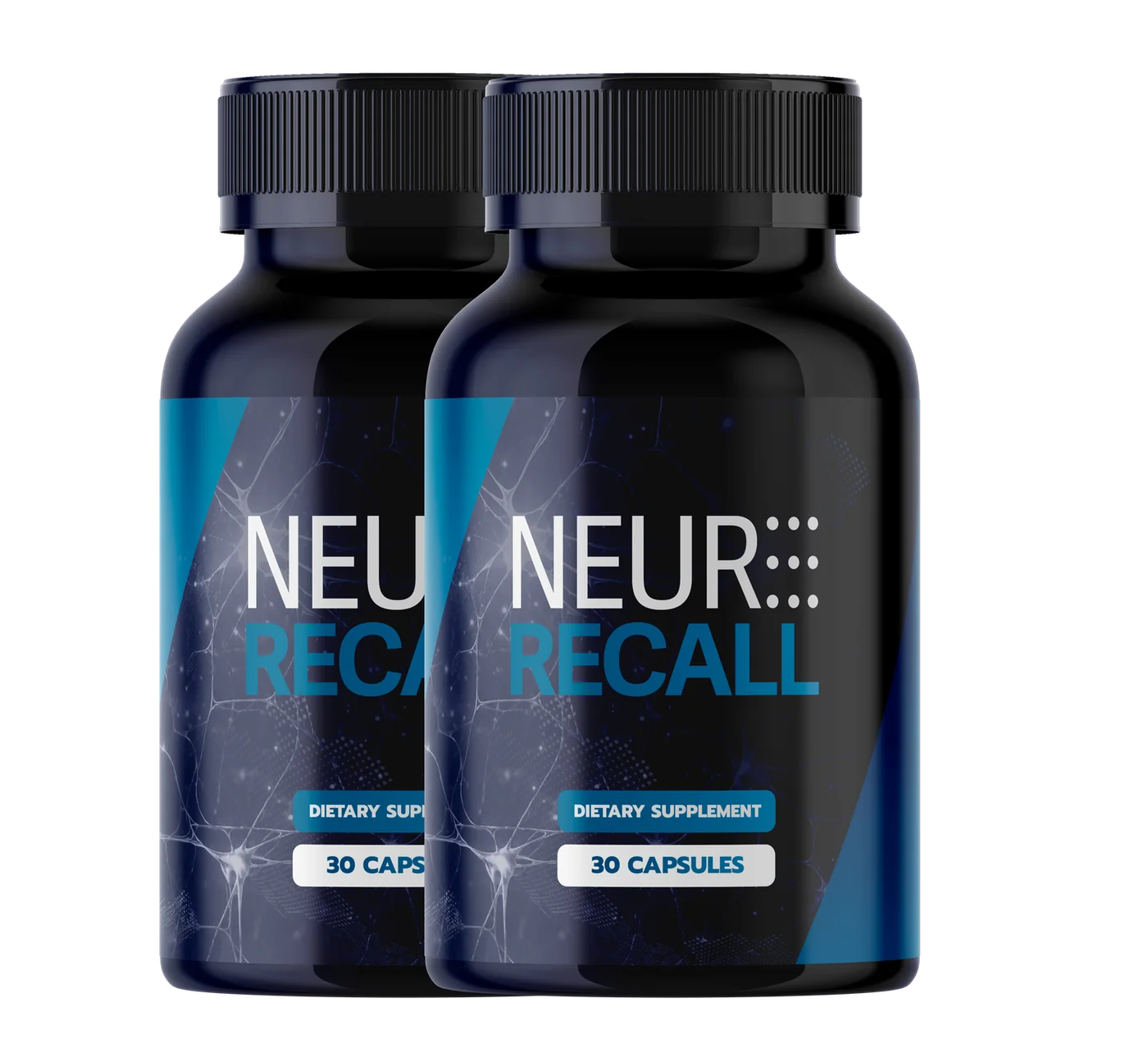
- NeuroRecall's label lists thiamin, vitamin B6, vitamin B12, and a 151 mg proprietary blend of caffeine (from green coffee), L-tyrosine, bacopa, theobromine, and rhodiola. One capsule is taken daily.
- The entire 151 mg blend is shared among five ingredients, so none of them can reach the doses used in real trials. Bacopa trials used 300 to 450 mg alone; rhodiola trials used hundreds of mg.
- The B vitamins help memory only if you are deficient. For well-nourished people, clinical trials show no memory benefit from supplementing them.
- The most likely source of the "clarity" feeling the product promises is caffeine, which supports alertness but has no solid evidence of improving memory in older adults.
- Pricing is transparent with no subscription traps: $79, $69, or $49 per bottle depending on the package, with a 180-day money-back guarantee.
- The seller identity is inconsistent. The contact pages say a Shopify storefront; the footer names a German company, Digistore24 GmbH.
Verdict: the claims on NeuroRecall's order page are modest by the standards of the memory-supplement genre, but the formula cannot support the memory claim. The 151 mg blend is far too small to deliver the studied doses of bacopa, rhodiola, or L-tyrosine, and the B vitamins only help memory when there is a deficiency. What most buyers will feel is most likely the caffeine. At $1.63 to $2.80 per day, that is an expensive cup of coffee with a B-complex attached.
If you are considering this product for memory worries, talk to your doctor first. Real memory concerns deserve a medical evaluation, not a checkout page.
Contents
- What NeuroRecall is (and what its page actually says)
- The label, line by line
- The 151 mg problem: five ingredients, one tiny blend
- Where the "clarity" really comes from
- Price and value
- Who is behind NeuroRecall
- A warning about the ads you may see
- Senior safety notes
- A warning about the name itself
- The bottom line
What NeuroRecall is (and what its page actually says)
NeuroRecall is a memory and focus supplement sold on a single short order page at getneurorecall.com. The page we reviewed on October 12, 2026, is essentially one step: "STEP 1: SELECT YOUR DISCOUNT PACKAGE." There is no long sales letter.
The page's claims are restrained compared to many memory pills. The tagline is "Feel the clarity. Own your memory again," with a sub-headline: "For sharper recall, clearer focus, and long-term brain support."
- What we did not find: no claims about treating Alzheimer's or dementia, no "clinically proven" language, no cited studies, no doctor endorsements, and no testimonials at all.
- What we did find: a standard FDA disclaimer ("These statements have not been evaluated by the Food and Drug Administration") and a footer note that results described anywhere may not be typical.
That restraint is a fair point in the product's favor. But restraint on the page does not tell you what is inside the capsule, or whether the ads that send people to the page say the same things.
The label, line by line
The page shows its Supplement Facts label. Here is what it lists, per one daily capsule (30 capsules per bottle):
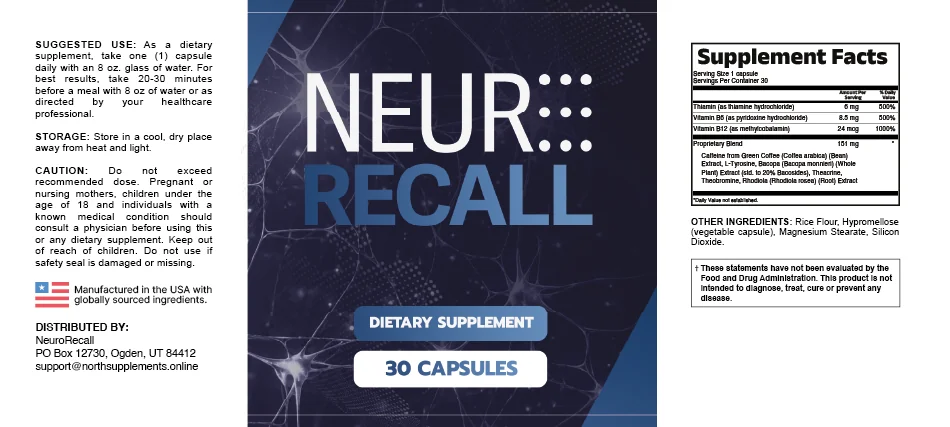
| Ingredient | Amount per capsule | Daily value |
|---|---|---|
| Thiamin (as thiamine hydrochloride) | 6 mg | 500% |
| Vitamin B6 (as pyridoxine hydrochloride) | 8.5 mg | 500% |
| Vitamin B12 (as methylcobalamin) | 24 mcg | 1,000% |
Below the vitamins sits the proprietary blend, 151 mg total, made of five ingredients:
| Blend ingredient | Individual dose shown? |
|---|---|
| Caffeine from green coffee bean extract | No |
| L-tyrosine | No |
| Bacopa monnieri extract (standardized to 20% bacosides) | No |
| Theobromine | No |
| Rhodiola rosea root extract | No |
Other ingredients are rice flour, hypromellose (the capsule), magnesium stearate, and silicon dioxide. Directions: one capsule daily with water, 20 to 30 minutes before a meal.
Talk to your doctor before taking this or any new supplement, especially if you take prescription medicines. Supplements can interact with drugs and with each other, and this one contains stimulants.
The biggest problem with the label is the blend. Proprietary blends hide the individual doses, so you cannot compare any ingredient to what research actually used. We have flagged this same pattern before, including in our review of the Lipofit recall, where the gap between the label and the product turned out to be the whole story.
The 151 mg problem: five ingredients, one tiny blend
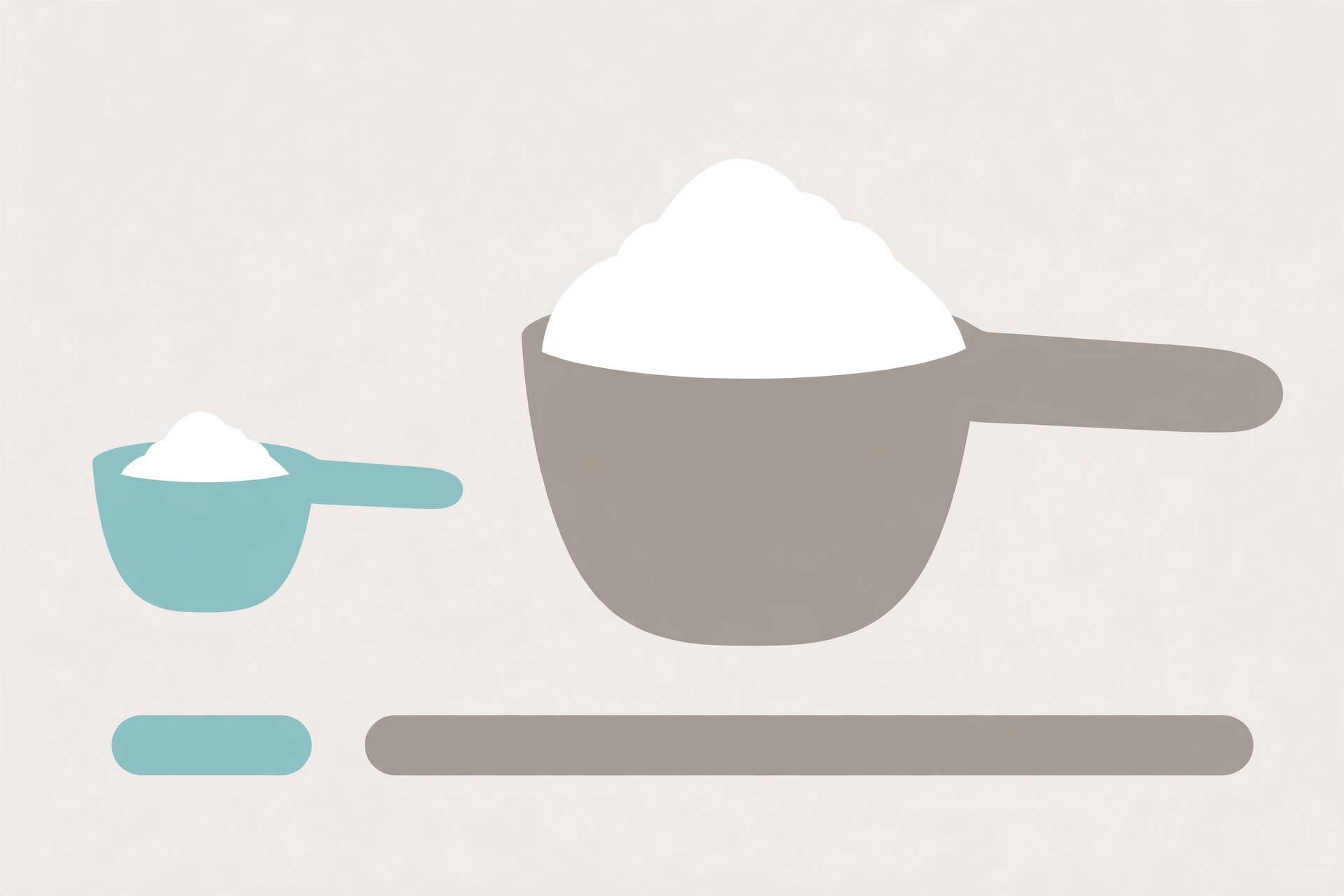
Here is the core of this review. The entire proprietary blend is 151 mg, split among five ingredients. Compare that to what human trials actually used:
| Ingredient | Studied dose in human trials | What the blend allows | Memory evidence verdict |
|---|---|---|---|
| Bacopa monnieri | 300 to 450 mg/day (12-week trials in older adults) | A fraction of 151 mg | Real but modest: small trials showed better verbal recall, no dementia prevention |
| Rhodiola rosea | 340 to 680 mg/day (stress/fatigue trials) | A fraction of 151 mg | None for memory; NCCIH says evidence is insufficient for any health purpose |
| L-tyrosine | 500 mg to 12 g/day in studied trials | A fraction of 151 mg | None for memory in older adults; one aging study found higher doses hurt working memory |
| Caffeine | 100 to 200 mg/day in attention trials | A fraction of 151 mg | Helps alertness and attention, not proven for memory in older adults |
| Theobromine | No established trial dose | A fraction of 151 mg | Essentially no human evidence for cognition |
The math is simple. If five ingredients share 151 mg, each one is far below its studied dose. Bacopa is the only blend ingredient with any real human memory evidence: a 2012 review of six randomized trials found improved memory free recall after 8 to 12 weeks at 300 to 450 mg/day, and a 2008 trial in adults 65 and older found better delayed recall at 300 mg/day. But bacopa's share of this blend cannot reach those doses.
On the vitamins:
- Vitamin B12: the NIH Office of Dietary Supplements notes that most studies show low B12 blood levels do not change the risk of cognitive decline, and a systematic review of randomized trials found no effect of B12 supplementation on cognitive function. B12 matters for memory when there is a deficiency, which is real for some older adults. For everyone else, extra B12 does not sharpen memory.
- Vitamin B6: a systematic review of 14 randomized trials found insufficient evidence of any effect of B6 supplementation on cognitive function. At 8.5 mg, this dose is below the US upper limit (100 mg/day) but sits close to Europe's revised 12 mg/day ceiling, so a buyer who also takes a multivitamin should be aware of the stacking risk.
- Thiamin: the NIH fact sheet covers only deficiency states, including a 2001 Cochrane review of three small trials in Alzheimer's patients that could not draw any conclusion. There is no evidence thiamin improves memory in people who are not deficient.
A Cleveland Clinic neurologist put the umbrella point plainly in 2025: "There are no supplements that have been proven to preserve brain health." That is the honest starting point for every memory pill, and NeuroRecall is no exception.
Where the "clarity" really comes from
The page's headline promise is "Feel the clarity." The most honest explanation for that feeling is on the label: caffeine.
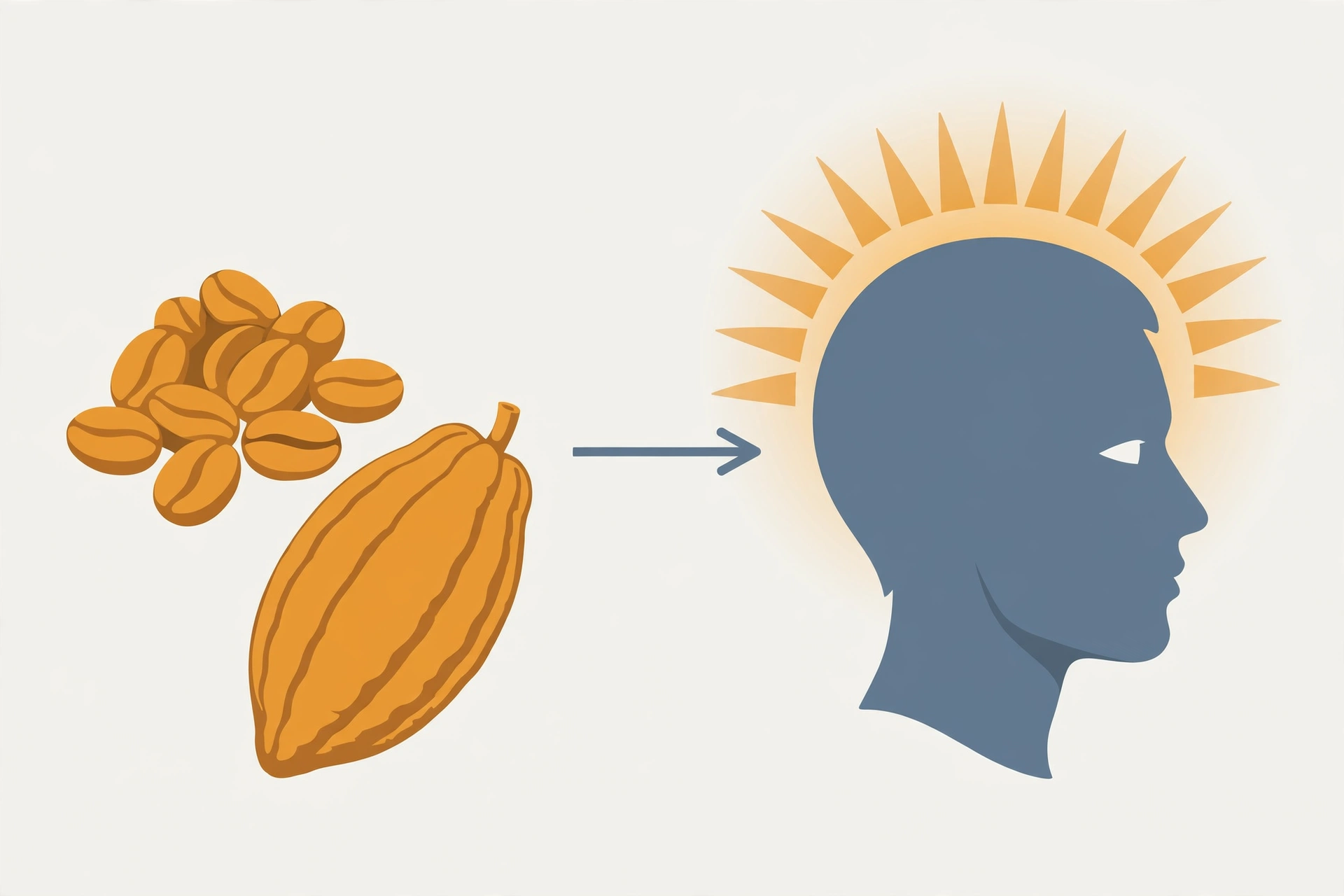
Caffeine reliably improves alertness, attention, and reaction time. That is well established. What it does not reliably do is improve memory, especially in older adults.
- Alertness vs. memory are different things. Feeling sharper for a few hours after taking a stimulant is real, but it is not the same as better memory formation or recall.
- The one memory study was narrow and contested. A much-publicized 2014 study in young adults (average age under 30) found that 200 mg of caffeine after a learning session improved a specific memory-discrimination test the next day. Later replication work did not find a robust effect, and the researchers who re-examined it suggested the benefit may reflect reversal of caffeine withdrawal rather than true memory enhancement. This study was in young adults, not in the older adults this product targets.
- The caffeine dose here is unknown. It is buried in the 151 mg blend, so buyers cannot compare it to the 100 to 200 mg doses used in attention research, or to their own daily coffee intake.
Seniors are often more sensitive to stimulants, and caffeine late in the day can worsen sleep, which is itself important for memory. If you already drink coffee, this capsule may simply add more caffeine to your day.
Stimulant blends deserve an extra note of caution. Supplements marketed for energy or focus do not always contain only what the label shows. Our coverage of the RAPTURE preworkout recall is the extreme version of that lesson: a hidden stimulant (DMAA) that triggered a real FDA recall.
Price and value
Unlike many affiliate products, NeuroRecall shows its prices plainly on the page. No hidden fees, no subscription, no "free trial" that turns into recurring billing. We confirmed all three tiers directly on the page:
| Package | Price per bottle | Total | Shipping | Cost per day |
|---|---|---|---|---|
| 2 bottles (60 days) | $79 | $158 | $9.99 | $2.80 |
| 3 bottles (90 days) | $69 | $207 | Free | $2.30 |
| 6 bottles (180 days) | $49 | $294 | Free | $1.63 |
The guarantee is a 180-day, 100% money-back promise, including opened bottles. The buyer pays return shipping. No restocking fee is stated. That is a generous window on paper, though any guarantee is only as good as the company that honors it.
- What the price buys: at the cheapest tier, $1.63 per day for B vitamins plus a 151 mg stimulant blend of unknown composition. A basic B-complex costs a few cents a day, and a cup of coffee costs under a dollar.
- What the price does not buy: clinical evidence that this combination improves memory, or doses that match the research behind its ingredients.
Fair points to the seller: transparent prices, no countdown timers, no fake scarcity, no auto-billing traps, and a long guarantee. Those are not universal in this market.
Who is behind NeuroRecall
The contact pages name the company as "North Supplements (Shopify storefront)," with a support email ([email protected]) and a phone line, (877) 257-0710, staffed weekdays 9am to 5pm Eastern. The bottle label names a distributor at PO Box 12730, Ogden, UT 84412, and returns go to 19655 E 35th Drive, Suite 100, Aurora, CO 80011.
Here is the inconsistency. The on-page footer names a different seller: Digistore24 GmbH of Hildesheim, Germany, described as the retailer, while the contact and terms modals refer to a Shopify storefront. Both cannot be the store of record, and the page does not explain which one handles your payment.
- Why it matters: if you need a refund or have a billing problem, you need to know exactly which company has your money. Conflicting seller identities make that harder.
- What we did not find: no named founders, no medical advisory board, no verifiable credentials anywhere on the page. That is ordinary for this kind of product, but it means there is no one identifiable standing behind the memory claims.
We have seen this pattern of opaque sellers before. Our Jellutide review walks through a similar case, where the company details did not match the marketing story.
Regulatory check: as of October 12, 2026, we found no FDA or FTC enforcement action naming NeuroRecall. That is worth stating, but it is not an endorsement. The FDA does not approve dietary supplements for safety or effectiveness before they are marketed, and most can be sold without even notifying the FDA. Regulators have acted against memory-supplement claims in general: in 2019, the FTC and FDA jointly sent warning letters to companies selling supplements that claimed to treat Alzheimer's disease and other serious illnesses.
A warning about the ads you may see
The order page itself makes no dramatic claims. The ads that send people to such pages sometimes tell a different story. One supplement review site reports that NeuroRecall has been promoted with AI-style videos appearing to show Elon Musk and other celebrities endorsing a supposed memory breakthrough, on pages designed to look like news articles. We have not independently verified those specific ads.
What we can say is how to protect yourself, because this pattern is well documented:
- Verify every celebrity endorsement independently. The FTC warns that scammers use AI-generated video and audio to fake celebrity endorsements, and advises checking whether the person actually endorsed the product before buying. A familiar face in a video is not evidence.
- News-style pages can be ads in disguise. The FTC has brought enforcement cases against marketers who used fake news websites and fabricated endorsements to sell supplements, including memory products marketed under multiple names.
- Search the claim, not just the product name. Before buying, search the medical claim ("reverse memory loss," "Alzheimer's cure") alongside the product name, and read what regulators and medical institutions say about that claim.
- Check which listing you are looking at. As the next section explains, the name "NeuroRecall" does not point to one fixed product.
Senior safety notes
This product is marketed to people worried about memory, who are often older adults taking prescription medicines. A few points deserve a doctor's attention:
- Caffeine sensitivity rises with age. The caffeine dose is undisclosed, but older adults are often more sensitive to stimulants. Caffeine can raise blood pressure, worsen anxiety or tremor, disrupt sleep, and interact with some heart and thyroid medicines.
- Vitamin B6 stacking. At 8.5 mg/day, this capsule alone is below both the US upper limit (100 mg/day) and Europe's revised 12 mg/day ceiling, but the margin under the European limit is small. If you already take a multivitamin or a B-complex, ask your doctor or pharmacist about your total daily B6.
- Talk to your doctor first if you take blood thinners, blood pressure drugs, thyroid medicine, or MAO inhibitors. Stimulants and some botanicals can interact with these. A pharmacist can check the full picture in minutes.
- Memory worries deserve a medical visit. Sudden or worsening memory problems can signal treatable causes (thyroid issues, B12 deficiency, medication side effects, depression, sleep apnea) or early cognitive disease. A supplement page cannot tell those apart; a doctor can.
A warning about the name itself
One independent review site noted that the name "NeuroRecall" appears across different online listings with different ingredient lists, and our own research found the same. A wire-service launch announcement for a product called NeuroRecall described a formula with ginkgo, L-theanine, and phosphatidylserine. The order page we reviewed lists none of those; it lists thiamin, B6, B12, and the caffeine-based blend described above.
This matters for two reasons. First, reviews and testimonials you find online may describe a different product than the one you would receive. Second, it is another reason to read the exact label on the exact page where you would order, rather than trusting the name.
The bottom line
NeuroRecall is more restrained and more transparent than many memory pills: no disease claims on the page, plain pricing, no subscription traps, and a 180-day guarantee. The seller details are murky, the 151 mg blend cannot deliver studied doses of its key ingredients, and the "clarity" on offer is most plausibly caffeine. The evidence says the B vitamins only help memory when there is a deficiency, and bacopa's modest benefits were seen at doses this capsule cannot contain.
- Who should skip it: anyone expecting it to prevent or reverse memory loss or dementia, anyone sensitive to caffeine, and anyone who would delay seeing a doctor about memory concerns while trying a supplement.
- Who might consider it anyway: a buyer who understands they are paying for B vitamins and a small stimulant blend, wants the 180-day guarantee as a backstop, and has checked with their doctor or pharmacist about interactions.
- What helps memory for free: regular physical activity, good sleep, blood pressure control, and social engagement have far stronger evidence behind them than any memory pill. A Cleveland Clinic neurologist put it simply: "There are no supplements that have been proven to preserve brain health."
Sources
- NIH Office of Dietary Supplements, thiamin fact sheet for health professionals: https://ods.od.nih.gov/factsheets/Thiamin-HealthProfessional/
- NIH Office of Dietary Supplements, vitamin B6 fact sheet for health professionals: https://ods.od.nih.gov/factsheets/VitaminB6-HealthProfessional/
- NIH Office of Dietary Supplements, vitamin B12 fact sheet for consumers: https://ods.od.nih.gov/factsheets/VitaminB12-Consumer/
- National Center for Complementary and Integrative Health, Rhodiola: https://www.nccih.nih.gov/health/rhodiola
- StatPearls (NCBI Bookshelf), Bacopa monnieri: https://www.ncbi.nlm.nih.gov/books/NBK589635/
- Pase MP et al., 2012, systematic review of bacopa randomized trials (PubMed): https://pubmed.ncbi.nlm.nih.gov/22747190/
- Kongkeaw C et al., 2014, bacopa meta-analysis (PubMed): https://pubmed.ncbi.nlm.nih.gov/24252493/
- Balk EM et al., B vitamins and cognitive function, systematic review (PubMed): https://pubmed.ncbi.nlm.nih.gov/17210874/
- Cova I et al., 2019, theobromine and cognition review (PubMed): https://pubmed.ncbi.nlm.nih.gov/30706099/
- EFSA 2023 opinion establishing the 12 mg/day upper limit for vitamin B6 (PubMed): https://pubmed.ncbi.nlm.nih.gov/37207271/
- Dose-dependent effects of tyrosine on cognition in aging, Nutrients 2017: https://www.mdpi.com/2072-6643/9/12/1279
- Borota D et al., 2014, caffeine and memory consolidation, Nature Neuroscience: https://doi.org/10.1038/nn.3623
- Cleveland Clinic, neurologist on brain-health myths, March 2025: https://newsroom.clevelandclinic.org/2025/03/17/neurologist-debunks-brain-health-myths
- FDA, "Is It Really 'FDA Approved'?" (dietary supplements are not pre-approved): https://www.fda.gov/consumers/consumer-updates/it-really-fda-approved
- FDA, information for consumers on using dietary supplements: https://www.fda.gov/food/dietary-supplements/information-consumers-using-dietary-supplements
- FTC and FDA joint warning letters (2019) to sellers of supplements claiming to treat Alzheimer's disease: https://www.ftc.gov/news-events/news/press-releases/2019/02/ftc-fda-send-warning-letters-companies-selling-dietary-supplements-claiming-treat-alzheimers-disease
- FTC consumer alert on AI-enhanced scams: https://consumer.ftc.gov/consumer-alerts/2023/03/scammers-use-ai-enhance-their-family-emergency-schemes
Fact-checked by the SupplementDecoded Research Editorial Team