
Table of ContentsShow ChaptersHide Chapters
Medical Disclaimer
This article is for informational purposes only and does not constitute medical advice. Always consult with a qualified healthcare professional before starting any new supplement regimen.
Read our Medical / Expert Review Policy and Medical Disclaimer for details.
Key takeaways
- Tinnoril is sold as an "advanced ear health" formula for tinnitus. Its label discloses 80 mg of magnesium plus a 575 mg proprietary blend of six ingredients, with no individual doses.
- Every tinnitus guideline that exists, including an October 2026 update, recommends against dietary supplements for tinnitus. Mayo Clinic and the American Tinnitus Association say the same.
- Some of its ingredients have small tinnitus studies behind them, but the trial doses (600 mg alpha-lipoic acid, 100 mg CoQ10, 532 mg magnesium) dwarf what fits inside this blend.
- Two bottles cost $158 with shipping added. The 60-day guarantee requires returning all bottles at your own shipping cost.
Contents
- The verdict
- What Tinnoril claims
- The label: what is actually inside
- Claim vs. evidence: ingredient by ingredient
- What the clinical guidelines say about tinnitus supplements
- Has anyone actually tested this product?
- The money: pricing and the guarantee
- Who is actually selling this
- Safety notes for older adults
- The bottom line
- Sources
The verdict
Tinnoril is an ear-health supplement pitched to people with tinnitus, the ringing or buzzing in the ears that many older adults live with. The Supplement Decoded Team reviewed its label, its claims, its pricing, and the research behind every ingredient.
The label is a 575 mg proprietary blend of six ingredients, and the biggest problem is arithmetic. The human studies that exist for these ingredients used doses far larger than what this blend can plausibly hold. Add the national tinnitus guidelines, which advise against dietary supplements for tinnitus, and this is an expensive guess, not an evidence-based solution.
What Tinnoril claims
The product is sold through a checkout page paired with an official sales site. The sales copy stays in wellness language: "advanced ear health and healthy hearing support," antioxidant support, cellular energy production, and circulation support from butcher's broom, which is said to be "traditionally used to support healthy circulation."
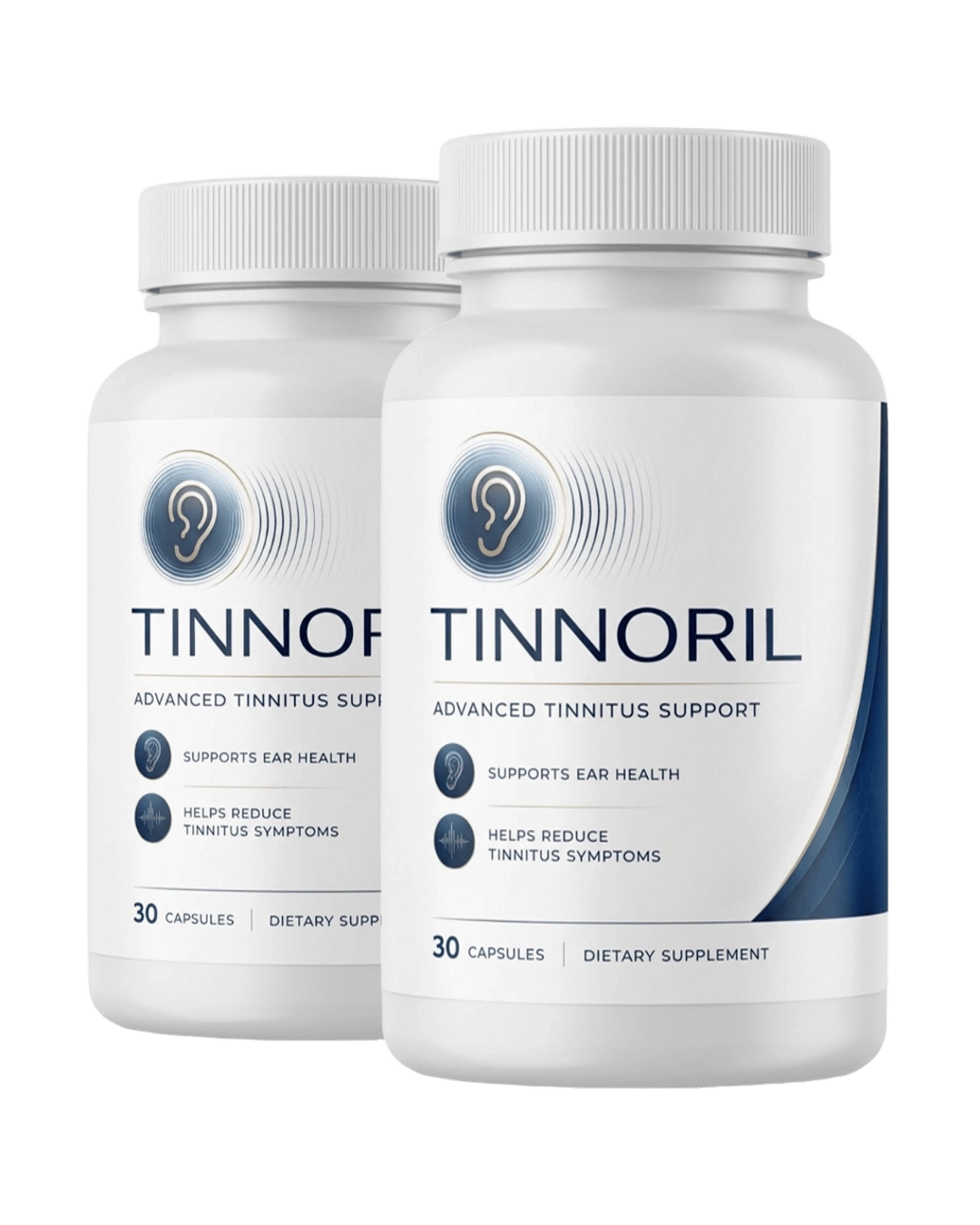
The bottle label goes further than the web copy. The official site's product photo shows a label reading "Advanced Tinnitus Support" and "Helps Reduce Tinnitus Symptoms," while the checkout page's label image reads "Advanced Ear Support" with "Supports Healthy Hearing." The two versions of the product's own label do not say the same thing.
The site also displays a row of trust badges:
- "FDA Approved." This is false on its face. The FDA does not approve dietary supplements or their manufacturing facilities. The same badge row also shows an "FDA Registered Facility" badge, which is a different, much weaker thing: registration is a notification, not an endorsement.
- "GMP Certified" and "Made in the USA," with no certifying body or facility named.
- "Scientifically Formulated," with no scientists named and no studies cited.
- "Our customers say 4.92/5 based on 92,100+ reviews," with no methodology, no date range, and no way to verify. The three testimonials shown make only soft wellness statements; none describes actual tinnitus relief.
The label: what is actually inside
Credit where it is due: unlike many teardowns in this series, the Tinnoril label prints a real Supplement Facts panel with a serving size of one capsule and 30 capsules per bottle. Here is the full label, taken from the checkout page:
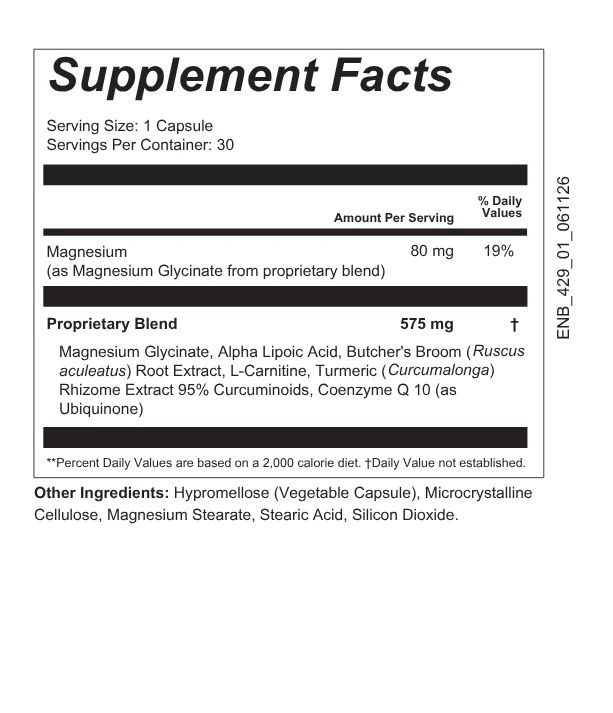
The panel lists:
- Magnesium (as magnesium glycinate from proprietary blend): 80 mg, 19% of the daily value.
- Proprietary Blend, 575 mg: magnesium glycinate, alpha-lipoic acid, butcher's broom (Ruscus aculeatus) root extract, L-carnitine, turmeric (Curcuma longa) rhizome extract 95% curcuminoids, coenzyme Q10 (as ubiquinone). No individual doses.
- Other ingredients: hypromellose (vegetable capsule), microcrystalline cellulose, magnesium stearate, stearic acid, silicon dioxide.
Two oddities are worth noting. The bottle front spells the brand "TINNORIL" with a double N, while the "Distributed by" line on the same label says "Tinnoril." And the contact email on the label ([email protected]) differs from the support email on the web pages ([email protected]).
Claim vs. evidence: ingredient by ingredient
A 575 mg blend holds six ingredients. If split evenly, each would be about 96 mg. Now compare that to the doses used in the human studies:
| Ingredient | Best available tinnitus evidence | Dose used in studies | What fits in Tinnoril |
|---|---|---|---|
| Magnesium | A small phase-2 trial and one randomized trial of a magnesium-containing formula showed modest effects | 532 mg/day in the phase-2 trial | 80 mg, about one-seventh of the studied dose |
| Alpha-lipoic acid | One observational study (600 mg/day, no placebo group) with improvement only in a metabolic-syndrome subgroup | 600 mg/day | Unknown share of the 575 mg blend; the trial dose alone exceeds the entire blend |
| Coenzyme Q10 | A 20-person nonrandomized pilot (2007) with no overall effect, and one 2025 randomized trial of 100 mg/day in presbycusis patients showing benefit | 100 mg/day | Unknown share of the blend; 100 mg would consume nearly a fifth of it |
| Butcher's broom | No human trial for tinnitus or hearing found | None | Unknown |
| L-carnitine | No randomized trial for tinnitus found | None | Unknown |
| Turmeric (curcumin) | No human trial for tinnitus found | None | Unknown |
A few points deserve detail:
- Magnesium. The magnesium signal in tinnitus research is real but small. A randomized, double-blind trial of a magnesium-containing antioxidant formula did reduce tinnitus handicap scores, but that was a multi-ingredient product, not magnesium alone, and the dose context was far richer than one capsule a day. At 80 mg, Tinnoril supplies less than one-fifth of the adult daily requirement and a fraction of research doses. Magnesium also has genuine drug interactions: NIH's Office of Dietary Supplements warns it can interfere with bisphosphonates (osteoporosis drugs) and some antibiotics, both common in older adults.
- Alpha-lipoic acid. The most cited tinnitus study used 600 mg a day for two months, had no placebo group, and only the subgroup with metabolic syndrome improved. A separate 70-person randomized trial of an antioxidant formula containing alpha-lipoic acid did beat placebo on tinnitus loudness, but again that was a combination product. Either way, 600 mg exceeds Tinnoril's entire 575 mg blend.
- Coenzyme Q10. The 2007 pilot study is frequently cited in tinnitus marketing: it found no overall effect on tinnitus scores, with improvement only in seven patients who started with low CoQ10 blood levels. The stronger evidence is a 2025 double-blind randomized trial in 50 presbycusis patients using 100 mg a day, which did reduce tinnitus disability and loudness. Even that promising result cannot be read onto this product, because the CoQ10 dose here is hidden in the blend.
- The other three. We found no human trial testing butcher's broom, L-carnitine, or turmeric/curcumin for tinnitus. The page's "traditional use" line for butcher's broom is honest framing for a circulation herb; it is not evidence for hearing.
What the clinical guidelines say about tinnitus supplements
Tinnitus is one of the few conditions where the expert consensus is unusually direct. Extended bullets, because each of these deserves its full context:
- The national guideline says no. The American Academy of Otolaryngology's clinical practice guideline on tinnitus recommends that clinicians should not recommend ginkgo biloba, melatonin, zinc, or other dietary supplements for patients with persistent, bothersome tinnitus. Its patient-counseling table states plainly: no dietary supplement or herb has been approved for the treatment of tinnitus, none has been shown to cure it, and supplements can cause side effects, especially with other medications. In October 2026, an updated guideline restated the position: against routinely using medications, dietary supplements, or repetitive transcranial magnetic stimulation for tinnitus.
- Mayo Clinic is blunt. Its tinnitus diagnosis and treatment page says there is "little evidence that alternative medicine treatments work for tinnitus," listing ginkgo, melatonin, and zinc as things that have been tried without support.
- Cleveland Clinic omits them entirely. Its tinnitus treatment recommendations are hearing aids, sound therapy, cognitive behavioral therapy, and treating underlying causes. No supplement appears on the list.
- The American Tinnitus Association agrees. Researcher Claudia Barros Coelho, writing for the ATA, summarizes it this way: "The research is clear in showing that dietary supplements are ineffective for reducing the perception of tinnitus." The FDA has approved no dietary supplement for tinnitus treatment.
- NCCIH on the most-studied herb. The National Center for Complementary and Integrative Health states that research suggests ginkgo is not helpful for relieving tinnitus symptoms. Tinnoril does not contain ginkgo, but the pattern holds across every ingredient that has been properly tested.
Has anyone actually tested this product?
No. Tinnoril itself has not been independently tested by ConsumerLab, USP, or NSF, no FDA laboratory analysis of it exists, and no published clinical trial of the finished product appears in PubMed. Its label carries no third-party testing seal. The "GMP-certified, FDA-registered facility" language describes the factory, not the bottle: it does not verify what is inside any given capsule, and FDA registration is not an FDA endorsement.
That is separate from what researchers have found in the tinnitus-supplement category. A 2018 peer-reviewed study in The Laryngoscope surveyed over-the-counter tinnitus products sold in the United States and found them overwhelmingly unproven: inexpensive common vitamins, minerals, and herbs sold at premium prices with unfounded claims of relief from ear ringing. No published laboratory analysis has ever checked whether tinnitus supplement products contain what their labels claim, so nobody outside the manufacturer has verified the contents of these products, including Tinnoril.
Patient-reported data matches the guideline position. In a survey of 1,788 people with tinnitus across 53 countries, 23% had tried dietary supplements; 70.7% considered them ineffective, 19% reported improvement, and 10.3% said the ringing got worse.
The money: pricing and the guarantee
All tiers are one-time purchases; no subscription or free trial was found. The checkout page shows struck-through anchor prices with "You save" badges:
- Starter, 2 bottles: $79 per bottle, $158 total, 60-day supply, plus shipping. $2.63 a day.
- Most Popular, 3 bottles: $69 per bottle, $207 total, 90-day supply, free US shipping. $2.30 a day.
- Best Value, 6 bottles: $49 per bottle, $294 total, 180-day supply, free shipping. $1.63 a day.
The 60-day money-back guarantee is narrower than the headline suggests:
- The window runs from the purchase date, not from delivery.
- You must contact support before sending anything back.
- All bottles must be returned, empty or not, with the packing slip.
- You pay all return shipping, and those fees are non-refundable.
- Refunds are issued only after the package is received and inspected, with 5 to 10 business days for the refund to appear.
- On the 6-bottle tier, the 60-day guarantee covers a 180-day supply. The 180-day evaluation the page implies and the 60-day refund window do not match.
No countdown timers, pop-ups, or inventory counters appeared on either site during a full review. The urgency tactics are milder here than in most teardowns in this series: struck-through prices and "Limited Time" language only. The checkout heading even has a typo: "SELECT YOU DISCOUNT PACKAGE."
Who is actually selling this
No legal entity behind Tinnoril is named anywhere on either site. What the pages do disclose:
- Retailer: BuyGoods, a Delaware corporation in Wilmington, Delaware, which states its role "does not constitute an endorsement, approval or review of this product."
- Returns address: SHIPOFFERS, 19655 E 35th Dr #100, Aurora, CO 80011. This is the same Aurora, Colorado address used by several products previously reviewed in this series (Flow Strong, Mind Wake, Quiet Nerves, GLPro), a family of supplements sold through the same retailer rails.
- Contact: +1 (323) 391-7365 and [email protected] on the web pages, but [email protected] on the label.
- Template leftovers. The checkout site's Terms and Disclaimer repeatedly name "Vigorus" and "Group Elevate," companies that have nothing to do with Tinnoril. The sales site's disclaimer is a ClickBank template, even though the checkout page says the retailer is BuyGoods. One legal page admits the site may use affiliate links. There is no About page and no company name anywhere.

Safety notes for older adults
Tinnoril can be a symptom worth investigating, not just masking. The guideline recommends a hearing evaluation, and sudden hearing loss with ringing is a medical emergency. Before spending on a bottle, a doctor or audiologist visit is the step the evidence supports.
On the formula itself:
- Coenzyme Q10 and blood thinners. Mayo Clinic notes that CoQ10 may make warfarin less effective, which could raise the risk of a blood clot. Anyone on warfarin should talk to their doctor first.
- Alpha-lipoic acid and diabetes drugs. Alpha-lipoic acid can lower blood sugar, so people on insulin or diabetes medication should involve their doctor; NCCIH advises people with diabetes to talk to a provider before adding any supplement.
- Magnesium and common medicines. NIH's Office of Dietary Supplements notes magnesium can interfere with osteoporosis drugs and certain antibiotics; separate them by hours.
- Turmeric and bleeding risk. Turmeric's blood-thinning potential is covered in our guide on turmeric and warfarin.
Related reading: our review of Quiet Tone, another tinnitus supplement teardown; our NeuroPulse Pro review, which also examined alpha-lipoic acid evidence; and our supplement interactions guide.
The bottom line
Tinnoril's label is more transparent than most products in this series: real Supplement Facts, a disclosed 575 mg blend, and no subscription trap. But transparency about a weak formula does not make it strong. The studied doses of its most promising ingredients do not fit inside this capsule, three of six ingredients have no human tinnitus trials at all, and every clinical guideline says supplements are not the answer for tinnitus.
For persistent ringing, the evidence points to a hearing evaluation, hearing aids where hearing loss is present, sound therapy, and cognitive behavioral therapy. Those cost less over a year than the 6-bottle package, and they carry guideline recommendations. If tinnitus is new, one-sided, or pulsing with your heartbeat, see a doctor promptly rather than ordering a bottle.
Sources
- Tunkel DE et al., "Clinical Practice Guideline: Tinnitus," Otolaryngology-Head and Neck Surgery, 2014
- American Academy of Otolaryngology, updated tinnitus clinical practice guideline, October 2026
- Claudia Barros Coelho, MD, PhD, "The Allure of the Magic Pill," American Tinnitus Association
- Mayo Clinic, Tinnitus: Diagnosis and treatment
- Cleveland Clinic, Tinnitus
- NCCIH, Ginkgo: Usefulness and Safety (research not helpful for tinnitus)
- NIH Office of Dietary Supplements, Magnesium: Health Professional Fact Sheet
- NCCIH, 5 Things To Know About Type 2 Diabetes and Dietary Supplements
- Mayo Clinic, Coenzyme Q10 (interactions with warfarin)
- Antioxidant supplementation in tinnitus: randomized, double-blind, placebo-controlled trial (PMID 31842394)
- Sacchetto L et al., alpha-lipoic acid in chronic subjective tinnitus (PMID 37489379)
- AUDISTIM magnesium-based supplement trial in chronic tinnitus (PMID 38666902)
- Coenzyme Q10 for tinnitus in presbycusis: randomized clinical trial
- Khan M et al., "A pilot clinical trial of the effects of coenzyme Q10 on chronic tinnitus aurium," Otolaryngology-Head and Neck Surgery, 2007
- Gordin A et al., "Magnesium: A New Therapy for Idiopathic Sudden Sensorineural Hearing Loss," Otology & Neurotology, 2002
- "Over-the-Counter Tinnitus 'Cures': Marketers' Promises Do Not Ring True," The Laryngoscope, 2018 (PMID 30585322)
Fact-checked by the SupplementDecoded Research Editorial Team
Review note: this review covers the Tinnoril funnel as it appeared in October 2026: the official sales site paired with a 3-step checkout page, the Starter Package of 2 bottles at $158, and the "Advanced Ear Support" Supplement Facts label. Other sites using the Tinnoril name may show different page copy or label text, and the page content may change at any time.