
Table of ContentsShow ChaptersHide Chapters
Medical Disclaimer
This article is for informational purposes only and does not constitute medical advice. Always consult with a qualified healthcare professional before starting any new supplement regimen.
Read our Medical / Expert Review Policy and Medical Disclaimer for details.
Key takeaways
- Viral "colon cleanse" products are stimulant laxative blends (usually senna and cascara) sold in wellness packaging. They do not "detox" anything.
- Mayo Clinic states plainly that you do not need a colon cleansing to get rid of toxins, and colon cleansing is not recommended for any medical condition.
- The dramatic before/after results are mostly water and stool loss, not fat loss or toxin removal. The weight usually returns within days.
- Documented harms include cramping, diarrhea, dehydration, and electrolyte imbalances that are especially dangerous for people with kidney or heart disease.
- A 2011 review of 20 published studies in the Journal of Family Practice found no evidence of benefit from colon cleansing and a long list of adverse effects.
- Older adults on diuretics, heart medicines, or blood pressure drugs face the highest risk and should talk to their doctor before touching any cleanse product.
Contents
- The short verdict
- What viral colon cleanses actually are
- Marketing claims vs. what the evidence shows
- Why the before/after photos look convincing
- Safety: what is actually documented
- Why seniors face the biggest risks
- Red flags in the marketing
- What actually supports gut health
- The bottom line
- Sources
The short verdict
Colon cleanse products going viral on TikTok are stimulant laxatives in wellness packaging. Their ingredients, usually senna and cascara, force your bowel to contract and empty. That is all they do.
They do not pull toxins out of your body, kill parasites, or melt fat. Your liver and kidneys already handle waste removal around the clock. No capsule, tea, or powder makes them do that job better.
For older adults, the risks are real and underappreciated. Laxative-driven fluid and mineral shifts can be dangerous when you take heart medicines, diuretics, or have kidney problems.
What viral colon cleanses actually are
Scroll TikTok wellness feeds and you will find "gut reset" capsules, "parasite cleanse" drops, and "bloat detox" teas with millions of views. One creator analytics screenshot shared in July 2026 suggested a single vegan colon cleanse product sold roughly 3 million units, about $52.5 million in revenue, on TikTok Shop alone.
Treat that number as approximate. It comes from a creator's own analytics, not an independent sales report. But it shows how big this trend has become.
Read the labels and the pattern is always the same. The active ingredients are stimulant laxatives: senna leaf, cascara sagrada bark, sometimes aloe latex or buckthorn. Psyllium husk sometimes appears as filler. The "proprietary cleanse blend" is mostly the same laxatives your pharmacy has sold for decades, dressed up with fruit extracts and big promises.
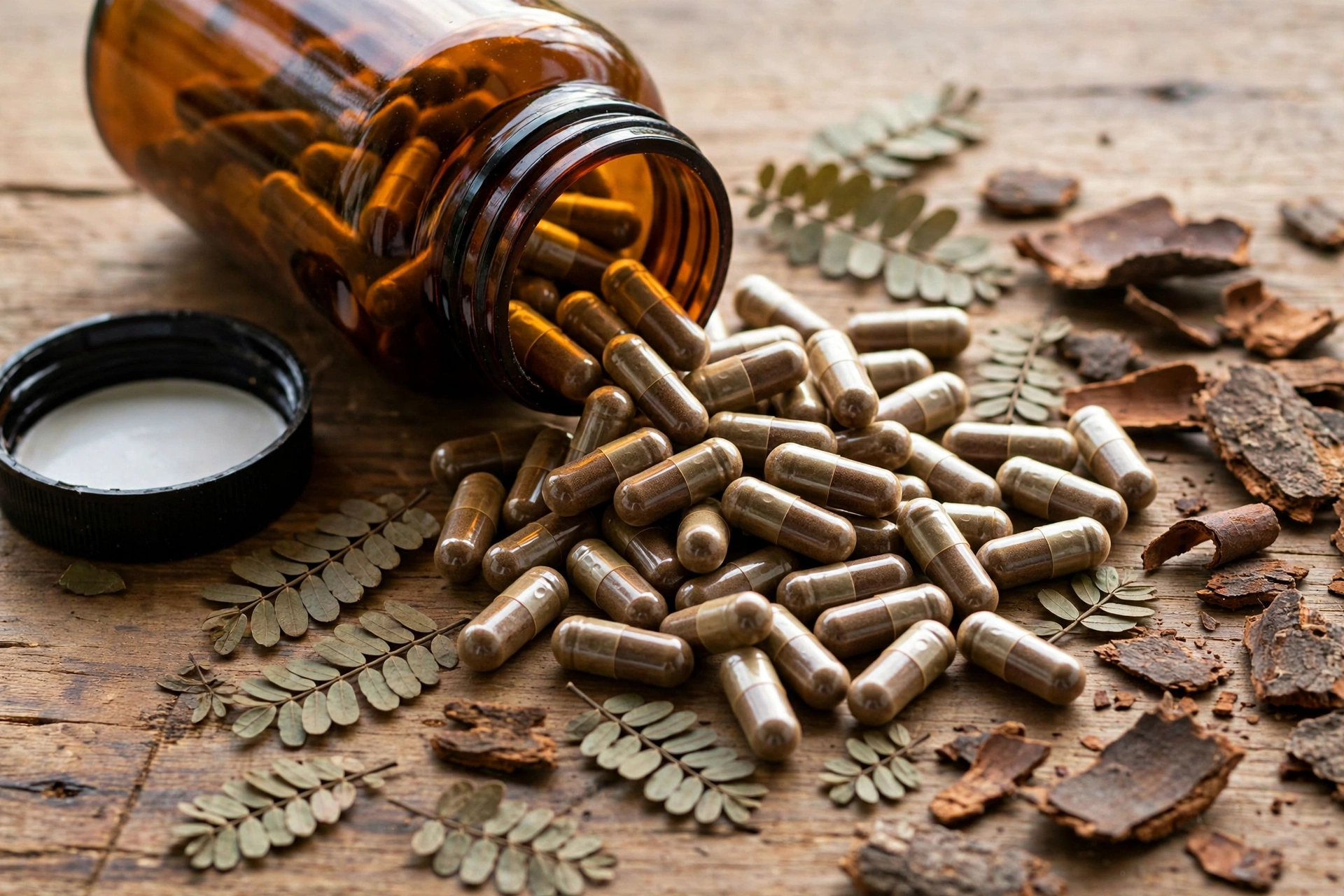
Some versions add "parasite cleanse" language, implying worms or toxins are hiding in your gut. Healthy American adults do not walk around with undiagnosed intestinal parasites, and no cleanse product has been shown to remove them.
Marketing claims vs. what the evidence shows
The pitch is emotional: your body is full of sludge, and only this product can flush it out. Here is how the main claims hold up against published evidence.
| The claim | What the evidence says |
|---|---|
| "Flushes toxins from your colon" | Mayo Clinic says you do not need colon cleansing to remove toxins, and research does not show the body holds onto toxins from normal diet or activity. The liver and kidneys handle waste continuously. |
| "Removes parasites" | No published trial shows these products removing parasites in healthy adults. If you suspect a real infection, a stool test and a doctor visit are the answer, not a cleanse. |
| "Lose inches of belly fat" | The scale moves because you lose water and stool, not fat. The U.S. National Center for Complementary and Integrative Health notes that detox programs may include laxatives, which cause diarrhea, and acute diarrhea leads to dehydration. |
| "Resets your gut health" | Repeated laxative use can irritate the bowel and disrupt the fluid and mineral balance the gut needs. A 2011 review in the Journal of Family Practice concluded there is no evidence colon cleansing improves health. |
| "Boosts energy and clears skin" | No controlled studies support these claims. The review of 20 published studies found the documented effects were adverse ones, not benefits. |

Why the before/after photos look convincing
The before/after photos are the engine of this trend. Someone films a flat-looking stomach after a week of cleanse capsules, and it feels like proof.
The photos are probably real. The explanation is wrong. A stimulant laxative empties your bowel more completely than usual and pulls water into the gut. You see less bloating and a few pounds less on the scale.
That is water and stool leaving your body, not fat and not toxins. Eat and drink normally for a few days and it comes back. The NCCIH puts it plainly: detox and cleanse programs may include laxatives, and the resulting diarrhea can cause dehydration and malabsorption, which is your body losing needed fluid and nutrients.
Safety: what is actually documented
Colon cleansing is not a harmless spa habit. Mayo Clinic lists the known risks, and they range from uncomfortable to serious.
- Cramping, bloating, diarrhea, upset stomach, and vomiting. These are the common reactions, especially with stimulant laxative formulas.
- Dehydration. Losing too much fluid through the bowel is one of the main risks Mayo Clinic names.
- Electrolyte imbalance. Shifting the balance of potassium, sodium, and other minerals can disturb heart rhythm and muscle function. Mayo Clinic warns this can be dangerous for people with kidney or heart disease.
- Worsening bowel conditions. For colitis, blocked intestines, and similar problems, colon cleansing can make symptoms worse and even cause digestive-tract bleeding.
- Infection and perforation. Tube-based procedures carry infection risk and, rarely, tears of the rectum.
- Deaths linked to coffee enemas. Mayo Clinic notes that coffee enemas, sometimes promoted in detox circles, have been linked to multiple deaths.
The research review tells the same story at scale. Ranit Mishori and colleagues at Georgetown University examined 20 studies published over a decade. Their conclusion: little to no evidence of benefit, and dozens of documented cases of harm including cramping, vomiting, electrolyte imbalance, and kidney failure.
Regulators have acted, too. The NCCIH reports that the FDA and the FTC have taken enforcement action against companies selling detox and cleansing products, in some cases because the products contained hidden ingredients posing significant health risks, and in others because of false claims that they could treat serious diseases.
Why seniors face the biggest risks
Most colon cleanse marketing targets younger women, but older adults are the group most likely to be harmed. Age changes how the body handles fluid loss, and older adults are far more likely to take the medicines that make laxative misuse dangerous.
- Heart and blood pressure medicines plus fluid shifts are a risky mix. Stimulant laxatives drive fluid and potassium out of the body. Low potassium can disturb heart rhythm, a serious concern for anyone with heart disease or on heart medicines. Talk to your doctor or pharmacist before using any laxative product regularly. (See our guide to supplement and drug interactions.)
- Diuretics ("water pills") multiply the fluid loss. Many blood pressure medicines are diuretics that already remove fluid and minerals. Adding a laxative cleanse stacks two dehydrating effects on top of each other, and older kidneys clear the imbalance more slowly.
- Kidney disease lowers the margin for error. Mayo Clinic specifically flags electrolyte changes as dangerous for people with kidney disease. Aging kidneys regulate minerals less efficiently, so a cleanse that a young person shrugs off can land an older adult in trouble.
- Dependence builds quietly. When the bowel is stimulated by laxatives daily for weeks, it can become sluggish on its own. This is the "laxative dependence" cycle: you need more product to get the same effect, which looks a lot like the product "working" until you try to stop.
- New bowel symptoms deserve a doctor, not a cleanse. A sudden change in bowel habits that lasts more than two weeks, blood in the stool, persistent abdominal pain, or unexplained weight loss can signal conditions that need diagnosis. Masking them with a cleanse delays real care.
Red flags in the marketing
Colon cleanse sellers use the same playbook as most wellness scams. Watch for these signs:
- "Toxins," "sludge," or "mucoid plaque" language with no named substance and no lab test behind it.
- Before/after photos presented as detox proof instead of what they are: emptied bowels and temporary water loss.
- "Parasite cleanse" claims aimed at people with no exposure history and no test results.
- Proprietary blends that hide the actual dose of senna or cascara.
- Countdown timers, "doctors hate this," or claims the product cures diseases.
- No company address, no phone number, no way to reach a real person.
What actually supports gut health
If your goal is comfortable digestion and regular bowel movements, the boring basics outperform every cleanse on the market. None of them require a product with a countdown timer.
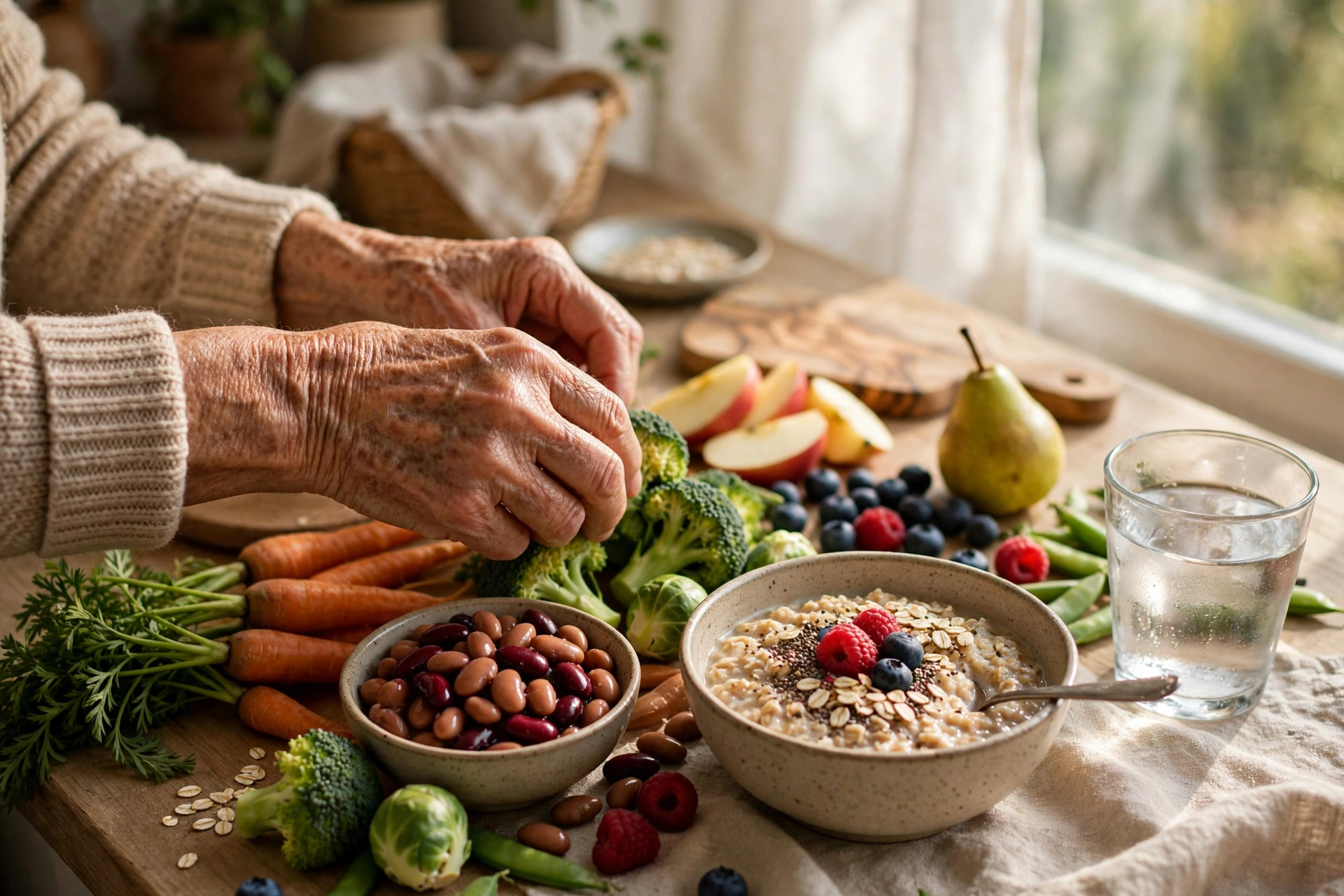
- Fiber, increased gradually. Fruits, vegetables, beans, and whole grains feed the gut and add comfortable bulk. If you use a fiber supplement like psyllium, start with a small dose and increase slowly with plenty of water. (Our fibermaxxing review explains the right way to add fiber, and our dosage guide covers how to dose supplements safely.)
- Steady water through the day. Fiber without water can worsen constipation. A glass of water with each meal is a simple baseline.
- Daily walking. Even a 20-minute walk helps the bowel move. Movement is one of the most underused constipation remedies in older adults.
- Regular meals and bathroom routines. Eating at consistent times and giving yourself unhurried bathroom time trains a steadier rhythm.
See a doctor if constipation is new and persistent, if you notice blood in your stool, or if abdominal pain, fever, or unexplained weight loss comes with it. Those symptoms need diagnosis, not a supplement.
The bottom line
Viral colon cleanses are stimulant laxatives with a marketing budget. They empty your bowel, which looks dramatic on camera, but they do not detox your body, remove parasites, or burn fat.
The published evidence finds no benefit and documents real harms, from dehydration to kidney failure. For seniors on heart medicines, diuretics, or with kidney disease, the risks are highest of all.
Save your money. Eat fiber, drink water, take a walk, and see your doctor if something feels wrong. That is the whole gut-health program, and it is free.
Sources
- Mayo Clinic: "Colon cleansing: Is it helpful or harmful?" States colon cleansing is not needed to remove toxins, not recommended for any medical condition, and lists risks including dehydration, electrolyte changes dangerous with kidney or heart disease, infection, perforation, and deaths linked to coffee enemas.
- National Center for Complementary and Integrative Health: ""Detoxes" and "Cleanses": What You Need To Know" Reports FDA and FTC enforcement actions against detox/cleansing products with hidden ingredients or false disease claims; notes laxatives in detox programs can cause diarrhea leading to dehydration and malabsorption.
- Mishori R, Otubu A, Alleyne Jones A. "The dangers of colon cleansing." The Journal of Family Practice. 2011;60(8):454-457. Review of 20 published studies finding little to no evidence of benefit and documenting adverse effects from cramping and vomiting to electrolyte imbalance and kidney failure.
Fact-checked by the SupplementDecoded Research Editorial Team